



































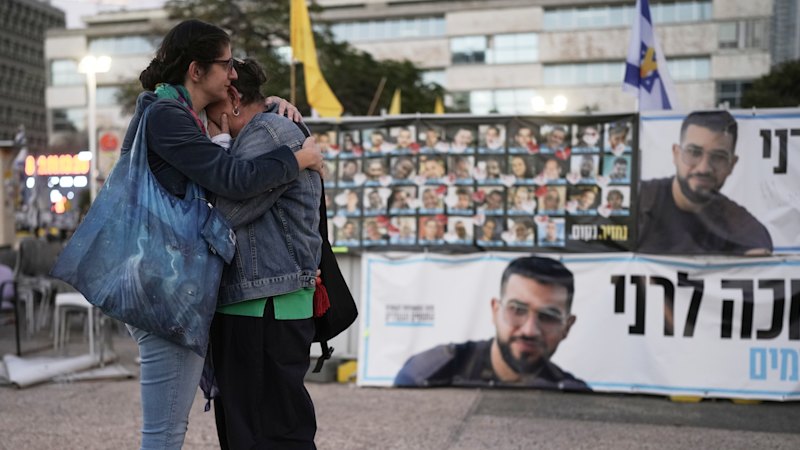
Israel announced plans to reopen the Rafah border crossing with Egypt, a crucial entry point for the Gaza Strip, following the completion of a search operation for the remains of the last hostage. This development comes as part of the ongoing efforts to address the aftermath of the recent conflict and marks a significant step in Israel’s strategy to bring closure to the families of those affected.
The decision to reopen Rafah is contingent upon the conclusion of search operations, which are aimed at retrieving the remains of hostages taken during the conflict. The crossing is not only vital for humanitarian aid but also serves as a key route for residents of Gaza seeking to exit the enclave. The reopening is expected to provide much-needed relief to the population, which has faced severe restrictions and shortages.
The situation in Gaza has drawn international attention, with various leaders and organizations calling for a resolution to the ongoing crisis. Former U.S. President Donald Trump has expressed support for Israel’s actions, framing them as part of a broader strategy to stabilize the region. His administration had previously advocated for a strong stance against Hamas, the group that controls Gaza.
As the search efforts conclude, the Israeli government has reiterated its commitment to ensuring the safety of its citizens while navigating the complex political landscape. The Rafah crossing’s reopening is expected to facilitate the movement of people and goods, which has been severely impacted over the past months.
Implications for Humanitarian Efforts
The reopening of the Rafah border is anticipated to enhance humanitarian efforts within Gaza. Aid organizations have highlighted the urgent need for supplies, including food, water, and medical assistance, as the population grapples with the consequences of the conflict. Access to the crossing will allow for the delivery of essential goods and support to those in dire need.
International organizations have been closely monitoring the situation, emphasizing the importance of restoring normalcy to the lives of Gazans. The humanitarian crisis has reached alarming levels, with thousands displaced and lacking basic necessities. The reopening of Rafah could serve as a lifeline for many families struggling to cope with the aftermath of recent events.
Next Steps for Israel and Gaza
As Israel prepares to reopen the Rafah crossing, discussions regarding long-term peace and security will likely intensify. The situation remains fluid, and further developments are expected as both sides navigate the complexities of the post-conflict environment. The international community continues to call for dialogue and negotiation to prevent future escalations.
The reopening of the Rafah border crossing represents a significant moment for both Israel and Gaza. It highlights the ongoing need for reconciliation and understanding in a region marked by conflict. As search operations conclude and the crossing prepares to reopen, the focus will shift to rebuilding and addressing the humanitarian needs of those affected by the recent violence.
