



































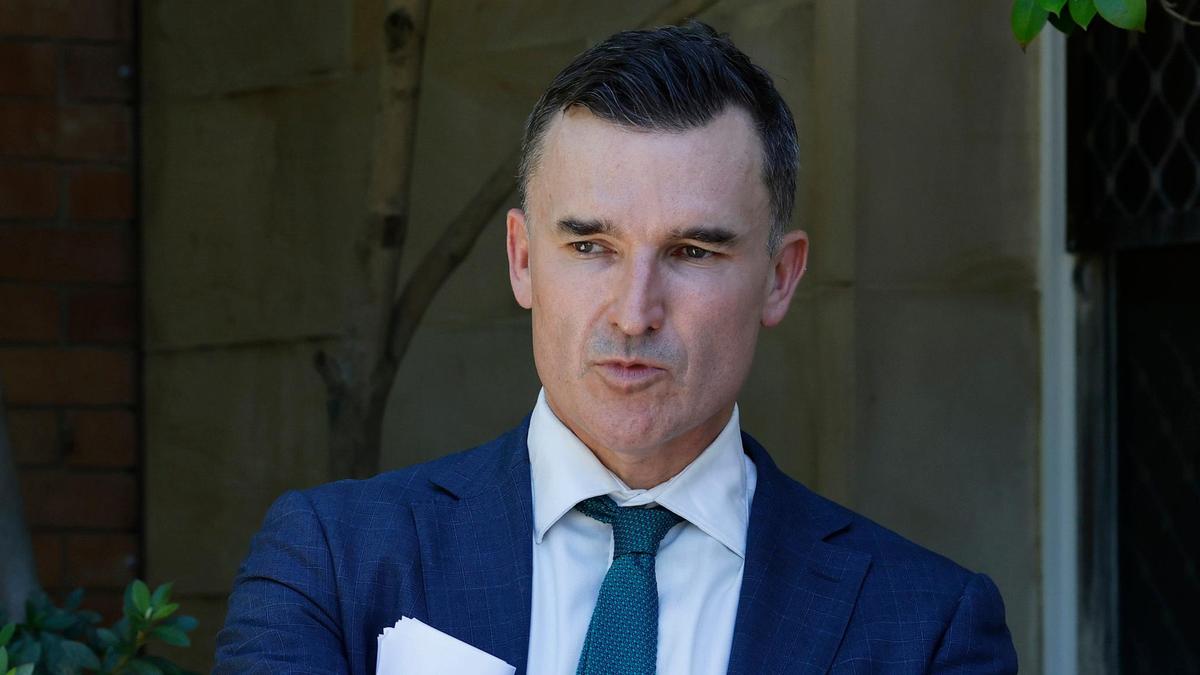
UPDATE: WA Health Infrastructure Minister John Carey has confirmed there will be no additional funding or staffing resources to address a significant backlog in hospital maintenance across Perth hospitals. This announcement comes just days after a critical independent review highlighted severe deficiencies in the state’s hospital maintenance systems, which are currently described as “under-developed” and reactive.
The independent report, released on October 12, 2023, revealed that Western Australia’s hospital maintenance issues stem from “resourcing constraints,” contributing to extensive delays. “I do want to bust this myth that seemed to occur in the press conference yesterday,” Mr. Carey stated on October 13. He emphasized that substantial investments have already been made, including $260 million for maintenance in 2025 and a similar amount expected for the current financial year.
Despite these assurances, the Australian Medical Association (AMA) has warned that it could take “years, not months or weeks” to raise hospital maintenance standards, given the slow and largely reactive procurement processes documented in the review. AMA WA President Kyle Hoath expressed concern, stating, “There’s going to have to be adequate investment to make sure this happens.” He further cautioned that the recently announced $50 million maintenance blitz would be quickly exhausted if it did not address systemic issues.
The urgency of the situation stems from a recent investigation titled “Hospital Of Horrors,” which uncovered hundreds of leaks and extensive mould problems at the Sir Charles Gairdner Hospital. Following these revelations, Premier Roger Cook unveiled the $50 million blitz in August, but only $6 million of that has been spent so far, with another $14 million earmarked for future repairs.
The review, conducted by former Health Department head Neale Fong and former under-treasurer Michael Barnes, cost taxpayers more than $400,000. Its findings confirmed a growing maintenance backlog and highlighted the need for dedicated funding for aging hospital assets. Long procurement processes have caused delays, even for minor repairs, and limited oversight has exacerbated the issues.
In response to the report’s recommendations, the government aims to complete the maintenance blitz by September 2024. However, Mr. Carey cautioned that he cannot guarantee adherence to this timeline, stating, “I’ve learned in politics not to give guarantees like that.” He noted that hospital work often occurs outside of peak hours due to its complexity.
WA Health Director-General Shirley Bowen acknowledged the report’s findings as “expected” and described them as an “excellent roadmap” for future improvements. She rejected calls for more staffing in the procurement office, where “resourcing constraints” have been blamed for delays in 30% of cases.
Mr. Carey emphasized the need to cut red tape, asserting that reducing the number of approvals required for maintenance work should help alleviate bottlenecks. “We’re talking about a bottleneck,” he remarked, indicating that too many approvals were previously required, which slowed down necessary repairs.
As these developments unfold, the urgency for adequate funding and swift action in WA hospitals remains critical. Families and patients await improvements that could impact their health and safety. This situation continues to develop, and further updates are expected as the government strives to tackle these pressing issues.
