UPDATE: New South Wales has just enacted controversial firearm reforms aimed at tightening gun ownership, with implications set to hit regional communities hard. The Terrorism and Other Legislation Amendment Bill 2025 passed the NSW Parliament at 3 AM on Christmas Eve, and critics are already expressing deep concerns over its effectiveness and fairness.
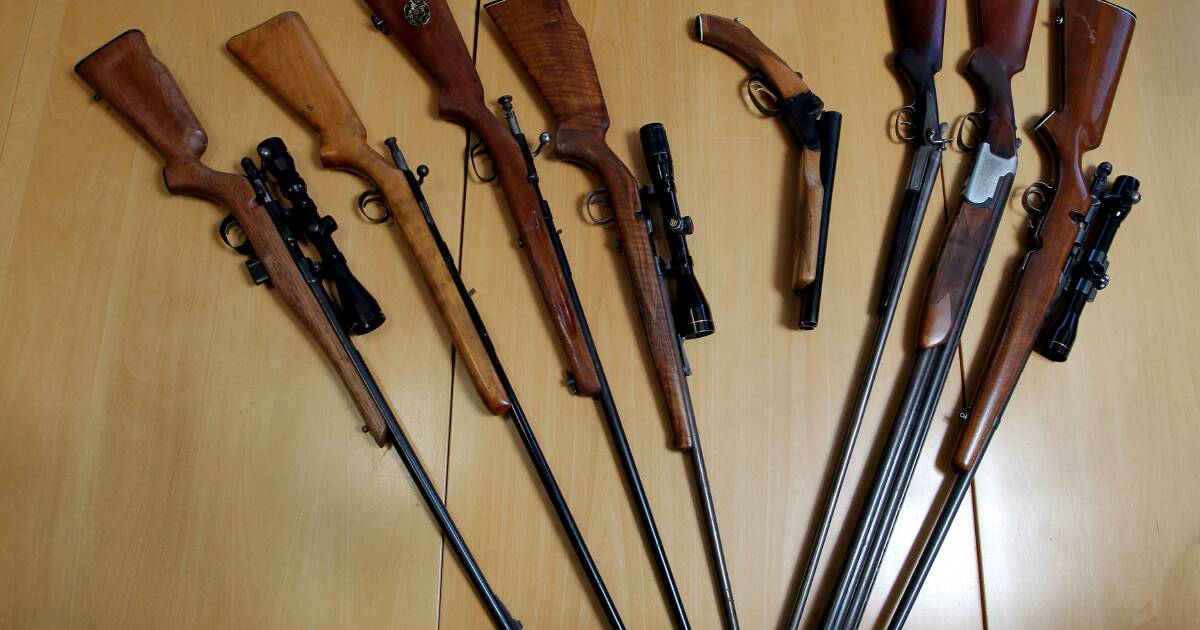
The new legislation restricts individuals to owning only four firearms for personal or recreational use, while farmers and professional shooters are limited to 10 firearms. Most people will now face a ban on straight-pull, pump-action, and button/lever-release rifles, with exceptions made solely for primary producers and official purposes.
Under these reforms, standard firearm licenses will require renewal every two years, and non-citizens will be barred from obtaining a gun license, although there is an exemption for New Zealand residents in security roles or farming. Furthermore, police have been granted enhanced powers to refuse or revoke licenses based on criminal intelligence, with these decisions no longer open to review by the NSW Civil and Administrative Tribunal.
The bill also tightens restrictions on protests, allowing the Police Commissioner to issue a Public Assembly Restriction Declaration to ban street protests for up to three months following a terrorist incident. Police can now demand the removal of face coverings during protests, increasing their authority significantly.
In a move to mitigate the impact of these changes, the NSW government, led by Premier Chris Minns, has announced a firearm buyback scheme. Owners of firearms that are now illegal or restricted can surrender them for compensation. In regional areas like Bathurst, there are currently 17,026 registered firearms, with Dubbo at 15,591, Orange at 13,224, and Mudgee at 12,895.
Premier Minns stated, “None of these measures alone will end antisemitism and violence, but together these reforms are the single best thing we can do to keep the people of New South Wales safe.” He acknowledged the significant nature of these changes, which he argued were necessary following a recent antisemitic attack.
However, regional MP Roy Butler, who has extensive experience with firearms, criticized the reforms as “rushed” and ineffective. “These laws? They’re rushed, they don’t fix the real problems behind that attack, and they hit regional people the hardest,” Butler said, emphasizing the lack of consultation with the firearms industry and the potential negative consequences of these sweeping changes.
Butler expressed skepticism about the intended outcomes, stating, “These firearm licensing changes are complicated and won’t even start for months. So why the rush?” He highlighted concerns that the reforms could exacerbate issues related to antisemitism and operational failures in the current licensing system.
Opposition also came from Orange MP Phil Donato, who described the bill as “hastily assembled.” He noted, “History shows that legislation which is rushed through parliament rarely delivers good outcomes,” and criticized the process as undemocratic and lacking respect for regional voices.
As these reforms loom, stakeholders are left questioning their effectiveness and the implications for law-abiding gun owners. The new laws are expected to come into effect in the new year, coinciding with the start of the gun buyback scheme.
Stay tuned for further updates as this developing situation unfolds in New South Wales.