



































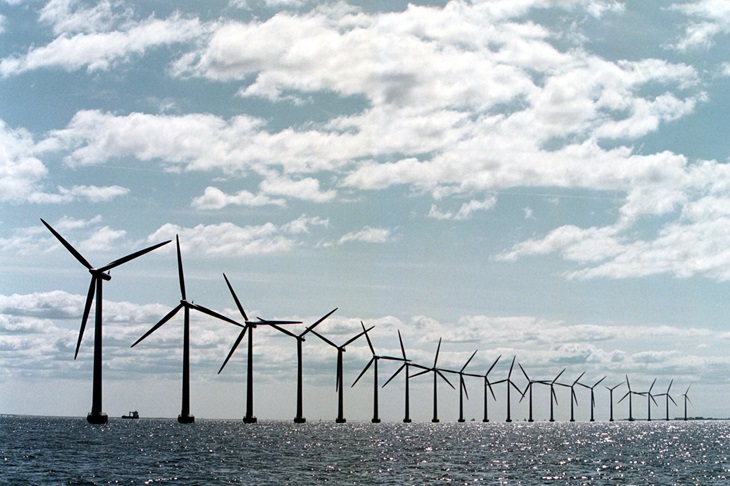
UPDATE: Offshore wind has transformed from a mere energy discussion into a pressing national security issue. Just announced, significant concerns from military and intelligence agencies are halting projects and shaking financial markets across the US and Europe.
Recent developments reveal that offshore wind infrastructure poses serious risks, with alarms raised about interference with vital radar and naval operations. In a dramatic response, shares of Ørsted, the world’s largest offshore wind developer, plummeted over 14 percent in a single trading session, erasing billions from its market value. This is not merely a reaction to renewable energy; it’s a stark reassessment of strategic risks tied to national security.
Countries like Sweden and Germany are leading the charge. Sweden has canceled 13 offshore wind projects after military assessments deemed the risks too hazardous. Germany has echoed these concerns, particularly regarding the potential threat posed by Chinese-manufactured turbines near NATO waters.
Cybersecurity experts are also voicing their worries, emphasizing that these wind farms, heavily reliant on digital systems, are vulnerable to cyber-attacks that could disrupt essential services like ports and power grids. The potential for simultaneous failures is alarming, making offshore wind infrastructure critical to national security.
Australia is now faced with the implications of these developments. Despite growing global caution, the federal government remains committed to advancing offshore wind projects in key states, including Victoria, Tasmania, Western Australia, and the Hunter region. This path sets Australia apart from its allies, many of whom are reevaluating risks before proceeding with large-scale infrastructure.
The tension is particularly acute along the New South Wales coastline, where proposed wind zones overlap with the strategic Port Kembla and Port of Newcastle. These ports are not just industrial hubs; they are pivotal to Australia’s defense and economic infrastructure. Port Kembla supports the nation’s largest steelworks and its second-largest grain export terminal, essential for food security. The port is also the site of a gas import terminal crucial for energy stability, while Newcastle is Australia’s largest coal export port, integral to export revenue and energy supply.
In light of these strategic assets, concerns are amplified. Former Shadow Defence Minister Andrew Hastie has formally warned that offshore wind proposals could jeopardize Australia’s sovereignty and national security. He urges a careful review of the geopolitical implications and suggests consultations with Australia’s Aukus partners, the US and UK, as critical.
Hastie’s warning emphasizes lessons learned from Europe, where reliance on foreign energy sources has led to significant vulnerabilities. He states, “We would be foolish not to heed it, and risk the lights going out in a strategic crisis.” The message is clear: energy policy must align with national security, particularly when offshore wind zones intersect with critical infrastructure.
As Australia’s allies pause to reconsider their offshore wind strategies, the question looms large: Will Australia follow suit or proceed without addressing the identified risks? While offshore wind may play a role in Australia’s energy future, it is imperative to recognize that this issue transcends energy alone—it is a matter of national security that requires immediate and thorough scrutiny.
The pressing question remains: How will Australia navigate these risks while ensuring energy needs are met? As developments unfold, the impact on both the energy sector and national security will be closely monitored by markets and policymakers alike.
