



































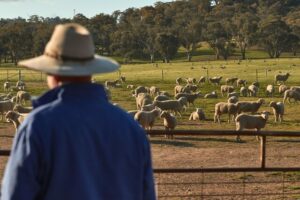
BREAKING: South Australian primary producers have just received official approval to implement cutting-edge virtual fencing technology, marking a significant transformation in agricultural management. This groundbreaking initiative was announced earlier today, and it is poised to revolutionize how livestock are managed across the region.
The new virtual fencing systems will allow farmers to create digital barriers using GPS technology, enabling them to manage grazing patterns more efficiently and sustainably. With this system, livestock can be controlled remotely, reducing the need for physical fencing and minimizing environmental impact.
Why this matters NOW: As Australia grapples with increasing environmental pressures and a growing need for sustainable farming practices, this technology presents a timely solution. By adopting virtual fencing, farmers can enhance productivity while also addressing critical issues like land degradation and biodiversity loss.
Official sources from the South Australian government confirmed that this initiative aims to give farmers more flexibility and control over their livestock. The program is expected to roll out in the coming weeks, with pilot programs starting as early as October 2023.
Farmers are eager to embrace this innovation, highlighting its potential to save costs and improve animal welfare. “This technology is a game-changer for us,” stated a local farmer during the announcement. “It not only helps in managing our livestock better but also supports our commitment to sustainable farming.”
As the virtual fencing technology gains traction, stakeholders from across the agricultural sector are closely monitoring its progress. Authorities expect that successful implementation could lead to broader adoption across Australia, setting a precedent for future agricultural innovations.
What’s next: With approvals now in place, farmers and agricultural experts will be watching to see how quickly this technology can be integrated into everyday farming practices. The impact on productivity and environmental sustainability will be closely evaluated, and further developments are expected in the coming months.
Stay tuned for more updates on this urgent and transformative agricultural advancement. This is a pivotal moment for South Australian farmers, and the implications of this technology could resonate throughout the global agricultural community. Share this news to keep others informed about this exciting development in sustainable farming!
