



































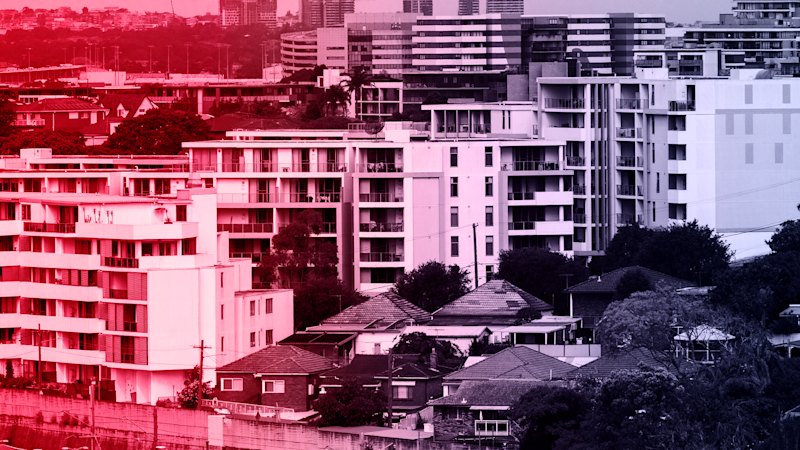
UPDATE: Sydney is set to experience a dramatic population increase, with projections estimating **6.5 million** residents by **2045**. The New South Wales (NSW) government has just unveiled critical plans aimed at accommodating an additional **1.2 million** residents over the next **20 years**, focusing on robust job creation and housing development.
The draft **Sydney Plan**, announced by Planning and Public Spaces Minister **Paul Scully**, outlines a strategy to concentrate growth around **43 interconnected centres** throughout the city. These hubs will be strategically placed near existing infrastructure, including **train stations** and **bus interchanges**, to combat urban sprawl and enhance accessibility.
Authorities confirmed that this initiative will help to provide **377,000 new homes** by **mid-2029**, aligning with the federal government’s ambitious goal of delivering **1.2 million homes** nationwide within the same timeframe. However, officials acknowledge the challenge, admitting the state may fall short of meeting its targets.
Why This Matters NOW: Sydney’s current population of **5.3 million** is forecasted to surge by **23%** by **2045**, primarily fueled by overseas migration. With nearly **half a million** residents expected to be aged **65 or older**, the demand for affordable housing continues to rise. Residents are increasingly opting for apartment living due to soaring housing costs and shifting demographics.
Scully stated, “This plan delivers clear direction on how and where new jobs and homes should be located.” He emphasized the need for affordable living options while boosting Australia’s largest economy. The draft strategy aims to make living in Sydney more sustainable and economically viable, especially as **employment** is projected to rise by approximately **700,000 jobs** over the next two decades.
The proposed development centers will be anchored by the established **Sydney** and **Parramatta** central business districts, along with the emerging city of **Bradfield**, located near the future **Western Sydney Airport**. This growth is expected to create numerous opportunities in sectors such as **business services**, **education**, **health**, and **manufacturing**.
Local councils will be required to adapt their planning controls to align with the new strategy, which will replace the previous regional plan from the **Greater Sydney Commission**. Consultation on the draft plan is set to continue until late **February**, with finalization expected next year.
What’s Next: Stakeholders, including the Urban Development Institute of Australia NSW and the Planning Institute of Australia NSW, have called for collaboration in shaping these reforms. They stress the importance of infrastructure development to support housing growth and create more livable communities.
As the planning process unfolds, residents and local businesses should stay informed about how these changes may affect living conditions and economic opportunities in Sydney. This is a pivotal moment for the city, and the outcome could redefine the landscape of urban life in Australia.
Stay tuned for further updates on this urgent development that will shape Sydney’s future.
