



































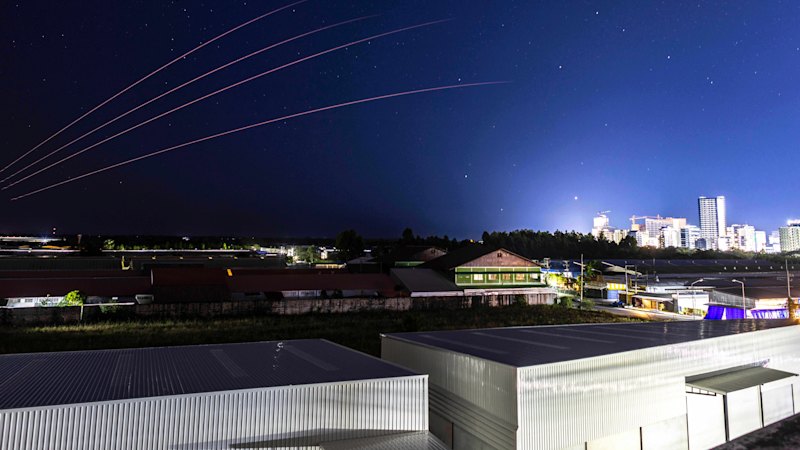
Thailand and Cambodia have reached a ceasefire agreement to end weeks of intense border clashes, marking the worst fighting between the two nations in years. The agreement was announced on Saturday, December 23, 2023, following a period of violence that has resulted in at least 101 fatalities and displaced over half a million individuals from both countries.
The joint statement from the defence ministers of both nations confirmed that troop deployments will remain unchanged without any further reinforcements. This decision aims to prevent escalating tensions that could obstruct long-term peace efforts. The ceasefire is set to take effect at noon local time (05:00 GMT).
Natthaphon Nakrphanit, Thailand’s Defence Minister, and Tea Seiha, his Cambodian counterpart, signed the agreement, which follows a breakdown of a previous ceasefire brokered with the assistance of former US President Donald Trump in July 2023. The recent hostilities reignited in early December, leading to significant military actions, including airstrikes and artillery exchanges.
Details of the Recent Clashes
In the days leading up to the ceasefire, Thailand conducted airstrikes in Cambodia’s northwestern province of Banteay Meanchey. On December 23, Thai F-16 fighter jets dropped four bombs on a target in Serei Saophoan. Earlier, on December 22, another airstrike dropped approximately 40 bombs on a target in Chok Chey village within the same province. While there were no immediate reports of casualties from the latter attack, infrastructure and homes were reported destroyed.
The Thai military confirmed the Friday operation, asserting it was conducted as part of a joint army-air force initiative aimed at protecting Thailand’s Sa Kaeo province, which shares a border with Banteay Meanchey. Air Marshal Jackkrit Thammavichai stated that the operation followed careful monitoring, which indicated that civilians had been evacuated from the targeted area.
Historical Context and Mediation Efforts
The tensions between Thailand and Cambodia have deep roots, primarily arising from long-standing territorial disputes along their shared border. These disputes escalated into open conflict in July 2023, prompting mediation efforts by Malaysian Prime Minister Anwar Ibrahim, which were supported by diplomatic pressure from Donald Trump. That mediation led to a temporary ceasefire following five days of fighting.
Both nations have framed their military actions as defensive, each accusing the other of violating ceasefire agreements. The recent clashes have raised international concerns about stability in the region, with the humanitarian impact becoming increasingly severe as civilians bear the brunt of the conflict.
The ceasefire agreement is seen as a critical step towards de-escalating the situation, but the long-term resolution of territorial disputes remains uncertain. As both countries navigate this fragile peace, the international community watches closely, urging sustained dialogue to prevent further violence.
