



































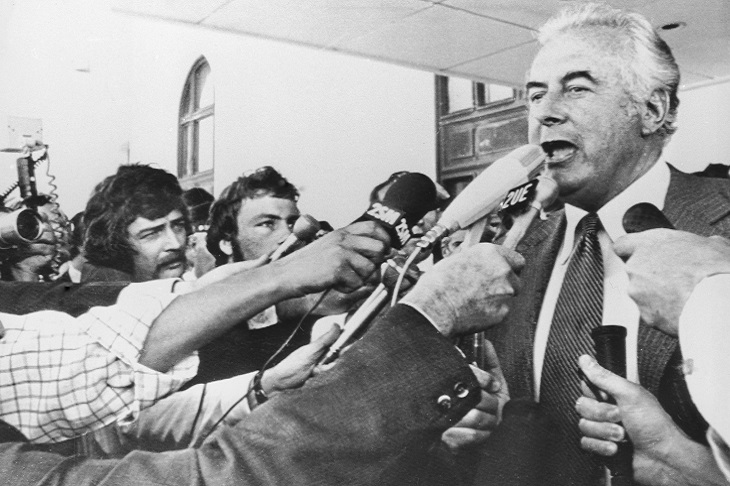
UPDATE: The legacy of Gough Whitlam is under intense scrutiny as the 50th anniversary of his dismissal approaches. At the 2025 Australians for Constitutional Monarchy National Conference, discussions revealed a stark divide in perceptions of Whitlam’s impact on Australian politics.
Former Prime Minister John Howard shared his personal experiences regarding the dismissal, while others debated its legal ramifications. The conference highlighted how Whitlam is often romanticized as a tragic hero, overshadowing the reality of his political failures.
As attendees reflected on the past, a concerning pattern emerged: the rising influence of the Labor Party and its current leaders, such as Victorian Premier Jacinta Allan, who continue to implement controversial reforms. This has left many Australians questioning the integrity of their democracy.
The conversation around Whitlam’s dismissal paints a complex picture. While some view him as a victim of a royal conspiracy, historical evidence suggests his downfall was self-inflicted, stemming from his contentious policies and governance style. Recent revelations from the Palace Letters indicate that Queen Elizabeth II had little involvement in the events leading to Whitlam’s ousting.
“Whitlam was the architect of his own demise, punished not by Kerr, but at the ballot box,” an attendee stated.
This sentiment resonates in today’s political climate, where many Australians feel increasingly disenfranchised. Citizens express frustration over the apparent disregard for public opinion, particularly regarding the recent push for a treaty that contradicts a prior referendum against racial segregation in Parliament.
As the October 2025 conference concluded, fears of a growing disconnect between the government and the populace became evident. Many attendees voiced concerns about the power dynamics and lack of accountability in politics today. “Are there any real protections for the citizen?” one participant questioned.
The issues surrounding Whitlam’s legacy are more than historical; they reflect a broader crisis of confidence in governance. With memories of the COVID-19 pandemic still fresh, concerns about citizens’ rights being overlooked when political consensus exists are prevalent. “Our rights as citizens are not worth the paper they are written on,” warned another speaker.
Currently, education systems frame Whitlam as a positive reformer, but critical thinking is often stifled. Young Australians, largely unaware of Whitlam’s complexities, are left with a skewed narrative that glosses over the contentious aspects of his tenure.
As discussions continue, the generational divide becomes increasingly pronounced. The younger demographic, engaged in social media platforms like TikTok and X, shows little interest in the Whitlam saga, highlighting a disconnect with older generations clinging to traditional narratives.
In light of these developments, the future of Australia’s political landscape remains uncertain. With major parties faltering and grassroots movements emerging, many are left to wonder what the next chapter will hold. The conference has ignited a necessary debate on the trajectory of Australian democracy and the lessons learned from the past.
As the anniversary approaches, the question looms: will the Ghost of Gough Whitlam fade into obscurity, or will it serve as a rallying cry for a new political awakening? With mounting dissatisfaction among the electorate, something is clearly brewing on the horizon.
