



































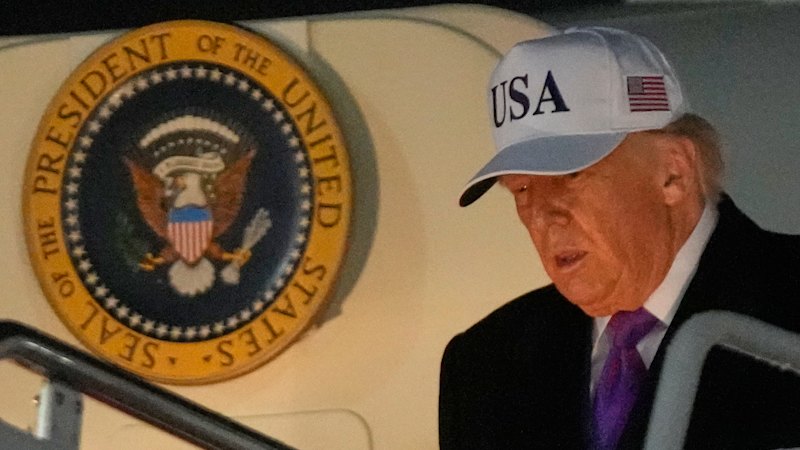
Donald Trump has directed U.S. intelligence agencies to release files related to unidentified flying objects (UFOs) and potential extraterrestrial life. This move follows recent comments made by former President Barack Obama, who suggested that the existence of extraterrestrials is plausible. Trump’s directive raises questions about transparency and national security, and it has sparked renewed public interest in UFO phenomena.
The controversy began when Obama stated in an interview that there is evidence to support the existence of extraterrestrial life. Trump responded critically, accusing the former president of revealing “classified information.” His remarks have fueled ongoing debates surrounding the government’s handling of UFO reports and the implications of such disclosures.
Trump’s Directive and Its Implications
Trump’s request aims to declassify and make public any documents that could shed light on unidentified aerial phenomena. This directive aligns with his administration’s previous efforts to investigate and clarify the government’s position on UFOs. The Pentagon has already released reports indicating that some encounters with military pilots remain unexplained, prompting calls for further investigation.
The potential disclosure of these files raises important questions about national security. Many experts argue that transparency regarding UFOs could either alleviate public concerns or lead to further speculation about what the government knows. The implications of such revelations could extend beyond mere curiosity; they may impact defense strategies and international relations.
The U.S. government has historically been reticent about discussing UFOs, often attributing sightings to natural phenomena or human-made objects. However, the recent uptick in public interest and government acknowledgment of unexplained aerial encounters suggests a shift in approach.
Public Reaction and Future Developments
Public response to Trump’s directive has been mixed. Some welcome the push for transparency and the opportunity to explore whether there is any basis for claims of extraterrestrial life. Others caution against sensationalism and urge a careful examination of the facts.
As the U.S. continues to grapple with the implications of UFO phenomena, the future of these investigations remains uncertain. The release of files could bring forth more questions than answers, but it has the potential to redefine public understanding of national security and the unknown.
In summary, Trump’s order to release UFO and alien-related files marks a significant moment in the ongoing dialogue about extraterrestrial life and government transparency. As developments unfold, the world will be watching closely to see what the files reveal and how they might influence public perception and policy regarding UFOs.
