



































URGENT UPDATE: Farmers in northwest New South Wales are intensifying their calls for fair compensation related to small-scale title mining claims, with the NSW Farmers Association demanding immediate government action. February 23, 2026 marks a critical juncture as farmers assert that proposed compensation amounts are grossly inadequate, threatening their livelihoods.
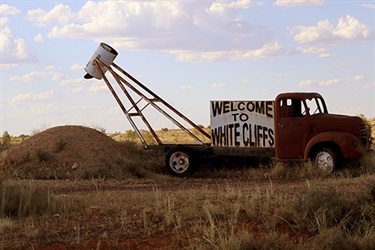
According to NSW Farmers Acting CEO Mike Guerin, the suggested compensation rates of as little as $50 per claim in White Cliffs and $200 near Lightning Ridge do not come close to addressing the significant financial losses farmers endure due to disruptive mining activities. “This is more than an inconvenience; it is a direct threat to our ability to farm sustainably,” Guerin stated.
The reality for many farmers is stark. Guerin explained that miners can arrive on their land with minimal notice, armed only with a piece of paper, causing havoc to their operations. “Most of us only own the top few meters of dirt,” he emphasized, pointing out that the government can sell subsurface rights to miners, leaving farmers vulnerable to chaos and disruption.
The current compensation proposal is seen by farmers as an insult. “This pittance proposed by the government as ‘compensation’ does not reflect the real costs we face,” Guerin asserted. The NSW Farmers Association has publicly rejected the findings of an independent review that suggested these low compensation amounts, demanding a re-evaluation that considers the true impacts of mining.
Guerin highlighted that real-world losses extend far beyond surface disturbances. Increased biosecurity risks, ongoing management costs, and disruptions to livestock behavior contribute to the financial strain on farmers. “We’ve calculated a compensation rate of approximately $1,500 per claim that more accurately reflects the true costs and losses incurred by farm businesses hosting opal mining activity,” he explained.
Farmers report that disturbances can extend up to a one-kilometer radius around mining sites, adversely affecting livestock health and access to watering points. The emotional toll is significant, with many farmers feeling they are left to shoulder an unfair burden as they strive to produce healthy plants and animals.
Guerin insisted that if the government fails to provide fair compensation, it should restrict opal mining to public lands and designated reserves. “Even the Independent Reviewer identified that less than 1.5 percent of the available area is being used for opal mining,” he noted, suggesting that ample land remains for continued mining activities without encroaching on agricultural land.
As this situation develops, farmers and agricultural advocates are calling for urgent reforms to protect their interests. The NSW Farmers Association is committed to ensuring that farmers are not left vulnerable to the consequences of mining activity.
The time for action is now. Farmers are urging the NSW government to acknowledge their plight and implement a compensation framework that reflects the harsh realities they face. With public support growing, this issue is set to remain at the forefront of agricultural and political discussions in New South Wales.
Stay tuned for further updates on this critical issue as farmers prepare to take a stand for their rights and livelihoods.
