BREAKING: Leaders of two councils in New England, Australia, are urgently seeking significant rate hikes, citing a “broken funding system” that threatens their ability to operate. The Uralla Shire and Glen Innes Severn Shire councils have submitted applications for Special Rate Variations (SRVs) that could lead to staggering increases for residents.
Uralla Shire is requesting a jaw-dropping 28.5% increase for the fiscal year 2026-27, followed by an additional 23% for 2027-28, totaling an alarming 51.5% rise over two years. Meanwhile, Glen Innes Severn is seeking a cumulative increase of 21.5% in 2026-27, 12.0% in 2027-28, and 9.0% in 2028-29.
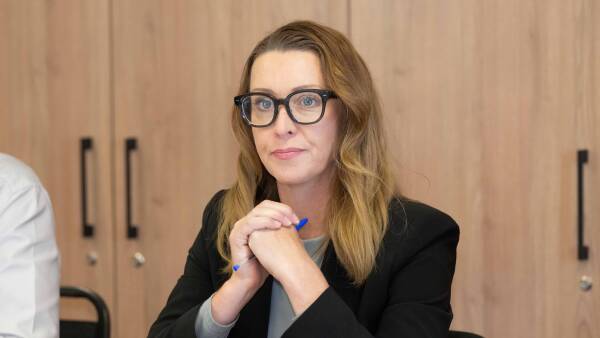
This urgent plea comes as local leaders face mounting operational costs without adequate support from state and federal governments. Mayor Margot Davis of Glen Innes described the situation as a “silent crisis,” emphasizing that the council is reluctant to impose higher rates but feels it has no choice.
“No one wants higher rates,”
said Cr Davis. She added,
“Council doesn’t want them either, but we are being forced to make decisions in a system where costs are rising and funding from other levels of government has not kept pace.”
The councils are now inviting community feedback on these proposals, which are seen as critical to maintaining essential services. Cr Davis highlighted the emotional toll of the SRV process, stating,
“It’s very traumatic. Local governments sit in a space where we have this issue of chronic underfunding, which is sometimes perceived by the community as financial mismanagement.”
In Uralla, Mayor Robert Bell echoed these sentiments, criticizing the federal and state governments for inadequate funding. He stated,
“We were promised 2% of federal revenue – we now get 0.54%.”
Bell emphasized that the current funding model disproportionately benefits wealthy councils, leaving smaller regions struggling to maintain services.
The need for these rate increases is underscored by an independent financial sustainability review, which warned that Glen Innes must increase rate revenue to address its “significant and ongoing” operating deficit.
Both councils argue that these SRVs are not about expansion but rather about protecting core services and infrastructure. The applications state the necessity of maintaining a positive cash flow and supporting future growth, especially as population growth and increased revenue are constrained.
The situation has reached a critical point where every council in the region has applied for a special rate variation in the last five years, raising alarms about the sustainability of local government funding. The councils face a difficult balancing act, attempting to manage costs while ensuring that essential services remain intact for residents already grappling with a cost-of-living crisis.
As local governments prepare to move forward with these proposals, community members are encouraged to voice their opinions. The deadline for feedback is approaching rapidly, making it imperative for residents to engage in this crucial conversation about the future of their local services.
Residents are urged to stay tuned for updates as the councils navigate this challenging landscape. The outcome of these applications could have profound implications for the financial viability of these communities.