



































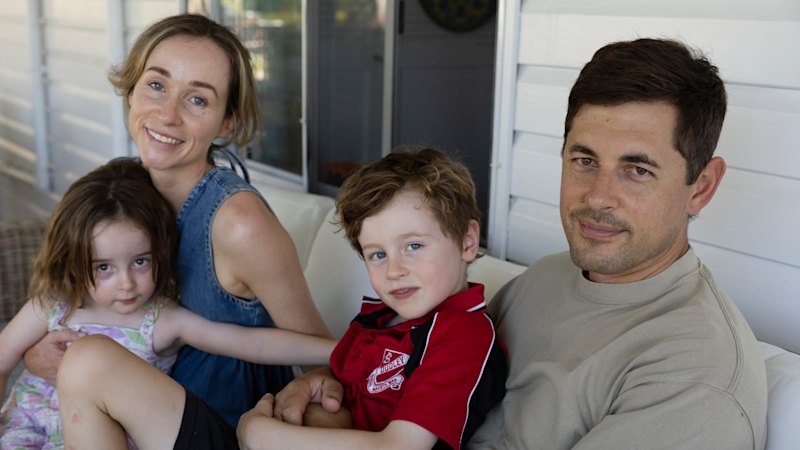
URGENT UPDATE: Public school enrolments in New South Wales are witnessing a historic decline, with nearly 7,000 pupils leaving the system, marking the seventh consecutive year of decreased enrolment. Parents like Sarah Peddie-McGuirk are feeling the pressure as strategic moves to private schools gain momentum, driven by a quest for better educational outcomes.
Just 15 minutes ago, the NSW Education Department confirmed that more students are now enrolled in private schools than in public ones, a trend that has skyrocketed after the pandemic. In coastal areas like Newcastle, families are pulling their children from public institutions like Dudley Public School to secure spots in the competitive Catholic education system, especially as children approach Year 7.
Parents are increasingly proactive, with a sense of urgency surrounding their choices. “You feel a lot of pressure,” Peddie-McGuirk noted, emphasizing the desire to ensure children thrive in the right environment. This shift highlights a troubling trend as the public education system faces mounting challenges.
The NSW Education Department warns that if current patterns continue, the balance will tip, with more high school students attending private institutions than public ones in just over a decade. Education analysts attribute this to decades-old policies promoting “school choice,” which have inadvertently fueled the growth of private schooling, leaving public schools with concentrated disadvantage.
Education researcher Professor Glenn Savage from the University of Melbourne described this phenomenon as “residualisation,” where public schools increasingly serve lower-income students as wealthier families opt for private education. “This creates a systemic risk,” he said, warning of the repercussions for both students and the teaching profession, as schools in need of experienced educators struggle to attract and retain talent.
The implications are profound. Research indicates that students in schools with high concentrations of poverty perform worse than those in wealthier environments. The ongoing shift toward private schools exacerbates this gap, with 97% of schools with high disadvantage concentrated in the public sector.
At the Sydney Morning Herald Schools Summit earlier this week, Education Minister Prue Car addressed these pressing concerns, stating that public education in her western Sydney electorate lost an entire decade’s worth of students due to insufficient public options. “In some parts of Sydney, there simply were no public schools,” Car remarked, underscoring the stark reality parents face.
Moving forward, the NSW government has pledged a historic $4.8 billion funding agreement over the next decade to revitalize public schools. Initiatives like the Inspire program aim to enhance access to gifted education, while new policies are being explored to attract families back to public institutions.
However, skepticism remains about the effectiveness of these measures. Experts like former public school principal Chris Bonnor caution that even increased funding cannot resolve the entrenched disparities between private and public schools.
As the crisis deepens, the urgency for reform grows. The consequences of declining enrolments extend beyond academic performance; they threaten the very fabric of societal equity that public education is designed to uphold.
Parents and educators alike are now watching closely for signs of change. Will these efforts be enough to halt the migration to private schools? The stakes are high, and the future of public education hangs in the balance.
In the meantime, parents like Sarah Peddie-McGuirk are left grappling with the decision of how to best secure their children’s educational futures in an increasingly competitive landscape. The conversation around public versus private education is more urgent than ever, and families across NSW are feeling the pressure to act swiftly.
