



































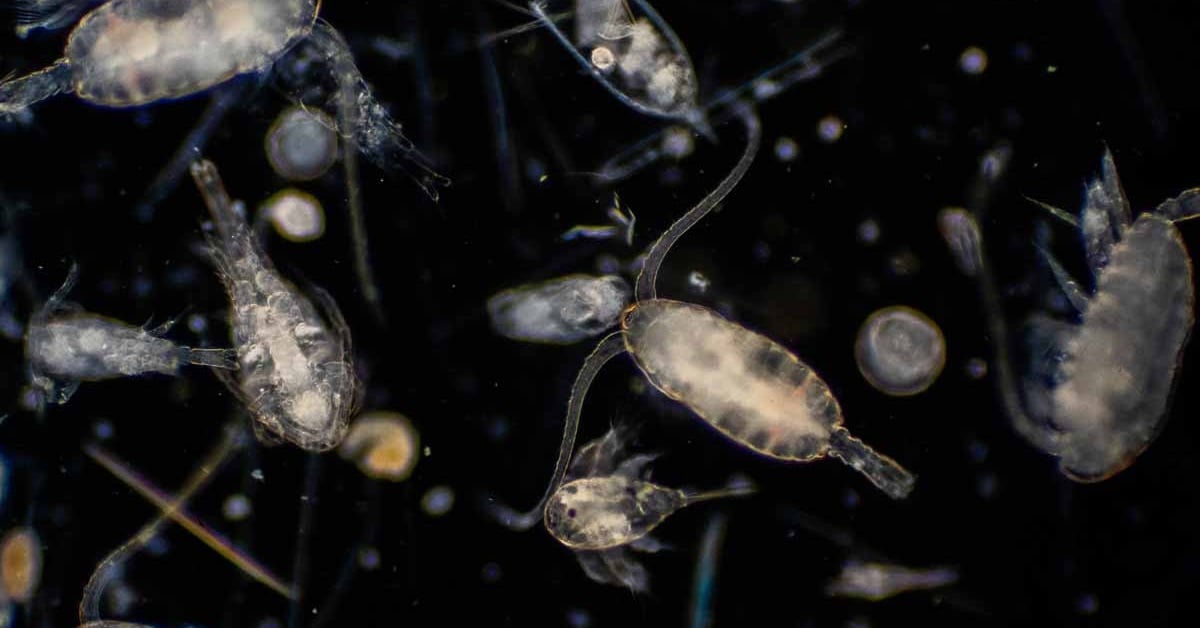
UPDATE: Trillions of microscopic animals known as zooplankton are playing a crucial role in combating climate change, removing an astonishing 65 million tonnes of carbon dioxide from the atmosphere each year. With atmospheric carbon levels at record highs, this urgent discovery highlights the importance of these tiny creatures in our fight against global warming.
New research reveals that zooplankton, which include species like krill and jellyfish, are integral to the ocean’s ability to absorb carbon dioxide. The Great Bear Sea, a vital marine ecosystem off the coast of British Columbia, is at the forefront of a groundbreaking initiative aimed at protecting these essential organisms. The initiative, known as the finance for permanence (PFP) project, is a collaboration among the provincial government, federal government, and 17 First Nations.
Once fully implemented, this project will safeguard one-third of the Great Bear Sea, incorporating Indigenous knowledge with scientific management. This multi-million dollar investment is expected to restore fisheries and protect marine habitats essential for zooplankton and the broader ocean ecosystem.
“Zooplankton are crucial for the health of our oceans,” explains marine biologist Liberty Boyd, PhD. These tiny animals serve as a key link in the marine food web, transforming phytoplankton’s carbon into oxygen and transporting carbon deep into the ocean. This process is vital for regulating atmospheric carbon levels, making zooplankton a natural ally against climate change.
However, the health of zooplankton is under threat. Rising ocean pollution and increasing microplastics are disrupting their ability to consume phytoplankton, hampering their carbon-capturing capabilities. “The rise of microplastics in our oceans is alarming,” warns Boyd. “We must reduce single-use plastics to protect these vital creatures.”
The ocean plays a significant role in carbon absorption, capturing about 30 percent of global carbon dioxide and producing 50 percent of the Earth’s oxygen. Yet, with environmental risks to zooplankton doubling in recent years, immediate action is necessary to safeguard our oceans.
The United Nations describes the ocean as our “greatest ally against climate change.” Notably, the Southern Ocean, which encircles Antarctica, is home to abundant zooplankton populations responsible for 40 percent of the ocean’s carbon capture. Protecting these areas is critical for maintaining their ecological balance.
In a striking comparison, the carbon removal capabilities of zooplankton are equivalent to powering nearly 39.5 million homes or removing over 18 million cars from Canada’s highways annually. This illustrates the immense impact these tiny creatures have on global carbon levels.
As we face escalating environmental challenges, innovative technologies are emerging to monitor zooplankton populations. Governments are now utilizing space-based spectroradiometers to track changes in sunlight reflection, while NASA has launched a specialized plankton-tracking satellite. Environmental DNA (eDNA) tracking enables researchers to extract genetic material from water samples, providing insights into zooplankton health and migration patterns.
The urgency of protecting these vital creatures cannot be overstated. As Boyd emphasizes, “The ocean captures most of the excess heat in our atmosphere. We must do all we can to protect these tiny animals—and our waterways.”
To support zooplankton and the health of marine ecosystems, individuals can take simple steps, such as reducing plastic consumption and supporting sustainable seafood. These actions are essential for ensuring future generations can benefit from the ocean’s climate defenses.
As this situation develops, continuing to monitor the health of zooplankton and the overall marine ecosystem will be critical. The implications for climate change mitigation are profound, and immediate action is essential to harness the ocean’s natural capabilities in our fight against global warming.
Stay tuned for more updates as this important story unfolds.
