



































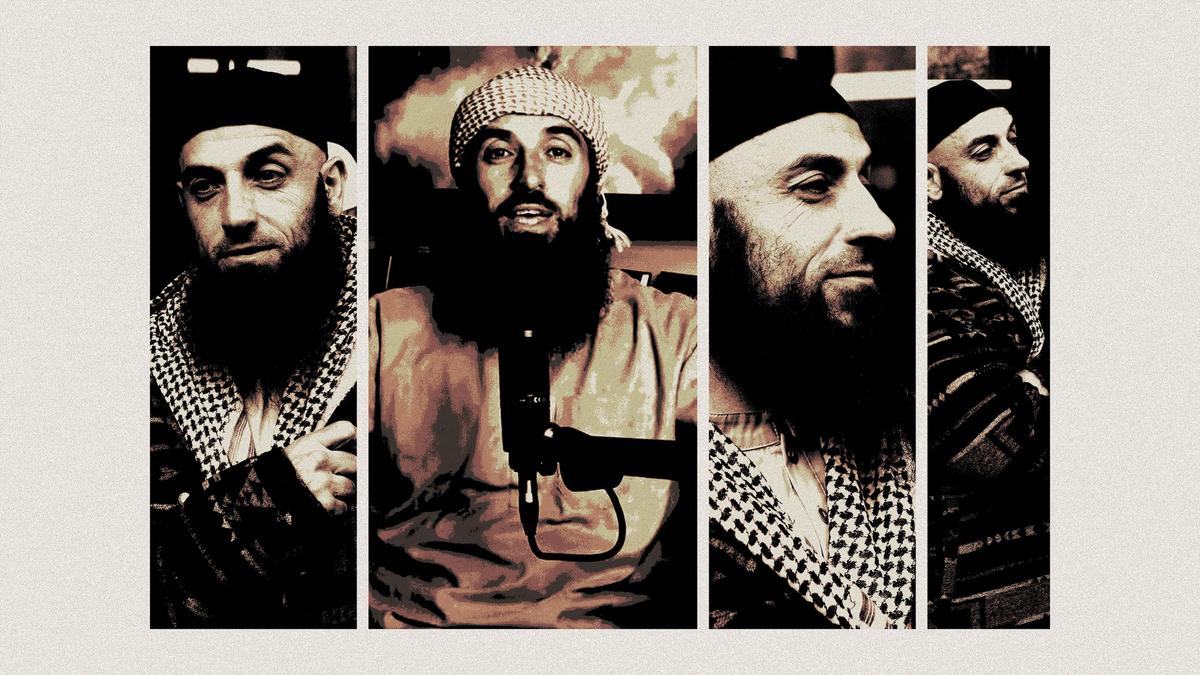
BREAKING: In a stunning turn of events, the Australian Government has failed to pass crucial racial vilification laws that could have significantly impacted Wissam Haddad, a controversial figure linked to anti-Semitic rhetoric. The proposed legislation would have imposed severe penalties, including up to ten years in prison for inciting hatred, particularly by religious leaders.
This failure not only provides Haddad with a reason to celebrate but raises urgent concerns among Jewish leaders who had pushed for the laws, believing they could counteract rising anti-Semitism in Australia. Peter Wertheim, a prominent advocate for Jewish rights, expressed disappointment, stating, “I think there is a good chance he would have been convicted.”
The legislation’s defeat occurred on October 17, 2023, as the Coalition cited free speech concerns, ultimately leaving Haddad and others, who have previously made inflammatory statements, free from prosecution under federal law. The proposed law aimed to make it a criminal offense to incite violence or hatred, specifically targeting those in positions of religious authority.
“Criticism of the practices, policies, and acts of the State of Israel is not inherently criticism of Jewish people and is protected political speech,” stated Fatima Payman, a senator from Western Australia, attempting to shield Haddad from existing hate speech laws.
The amendment proposed by Payman, which aimed to protect anti-Jewish sentiment under the guise of political expression, faced strong opposition and was ultimately defeated. The shift in the Senate raised eyebrows, especially among those who believed the proposed legislation would have been a critical step in combating hate speech.
As the Senate prepared to vote on a separate measure to ban the extremist group Hizb ut-Tahrir, tensions were palpable. Just before 11 PM, Senate president Sue Lines called for a vote, leading to a division among the senators. Most Liberal members sided with the Government, while the opposition, including some Nationals, expressed their discontent with the Coalition’s lack of support for the proposed laws.
Questions linger regarding why some National senators, who had initially supported the legislation, reversed their stance. One Liberal frontbencher suggested that misinformation surrounding the racial vilification laws influenced their decision. “Essentially on a whim they pulled the pin and voted against it,” he said, calling for accountability within the Coalition.
Amidst the political turmoil, Prime Minister Anthony Albanese was asked about the future of the racial vilification laws. He stated that any reintroduction would depend on the Coalition, as Labor does not control the Senate. This leaves Haddad, who previously led a campaign at the now-closed Al-Medina Dawah Centre, in a position of relative safety regarding federal prosecution.
As of now, it remains unclear how Haddad perceives the events unfolding in Canberra. Just yesterday, he took to Instagram to announce that his popular account, which had over 10,000 followers, was shut down, prompting him to start anew. He described his new account as “Muslim unapologetic,” signaling his intent to continue his controversial advocacy.
The implications of this legislative failure could resonate beyond Australia, as it highlights ongoing debates about free speech, religious expression, and the balance between protecting communities from hate speech. As the situation develops, all eyes will be on how both sides respond in the coming days.
Stay tuned for updates on this urgent matter and its broader implications for civil rights and community safety in Australia.
