



































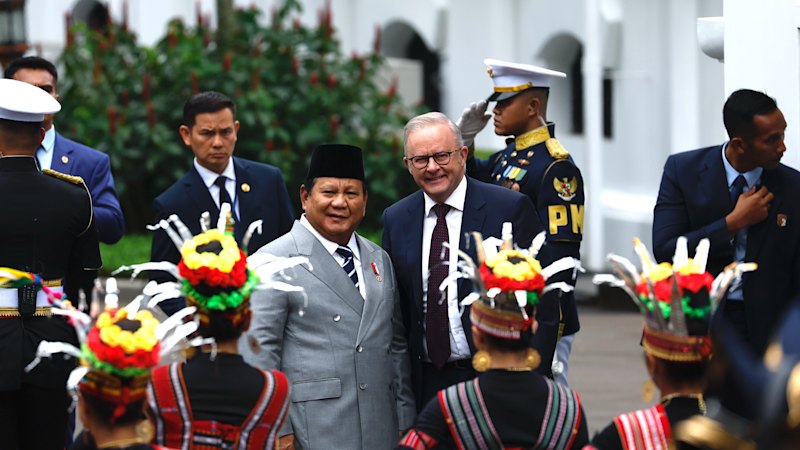
Anthony Albanese, the Prime Minister of Australia, recently declared that “no country is more important to Australia” than Indonesia. This statement reflects a growing diplomatic relationship and collaborative efforts between the two nations, particularly in areas such as trade and defence. Yet, while the sentiment underscores a commitment to strengthening ties, an examination of the facts reveals a more nuanced reality.
Albanese made his assertion during a joint press conference with Indonesian President Prabowo Subianto in Jakarta on October 15, 2023. This meeting aimed to enhance bilateral cooperation, focusing on economic partnerships and security arrangements. The Prime Minister expressed optimism about future collaborations, emphasizing Indonesia’s critical role in Australia’s foreign policy.
Exploring the Depth of Bilateral Relations
The relationship between Australia and Indonesia has evolved significantly over the years. In 2022, the two nations signed the Australia-Indonesia Comprehensive Economic Partnership Agreement, aimed at boosting trade by eliminating tariffs on various goods. This agreement is expected to enhance economic ties, with projected trade between the two countries reaching $15 billion by 2025.
Despite the warm words from Albanese, some analysts question whether this emphasis on Indonesia is entirely justified. Australia has historically maintained strong relationships with several other nations, including the United States, Japan, and the United Kingdom. Each of these countries plays a crucial role in Australia’s strategic and economic landscape. For instance, trade with China remains a significant part of Australia’s economy, even amidst diplomatic tensions.
Furthermore, the recent announcement of a defence pact with the United Kingdom and the United States under the AUKUS alliance indicates that Australia’s priorities may be more diversified than Albania’s statements suggest. The AUKUS pact aims to enhance military capabilities and technological cooperation, particularly in the face of rising geopolitical tensions in the Indo-Pacific region.
The Reality Behind the Rhetoric
While Albanese’s statement may resonate with sentiments of neighbourly love, a closer look at the numbers paints a different picture. In 2022, Australia’s two-way trade with Japan was approximately $47 billion, while trade with the United States reached around $35 billion. Comparatively, trade with Indonesia was significantly lower, valued at about $14 billion in the same year.
The disparity in trade figures raises questions about the true nature of the relationship. While Indonesia is undoubtedly a key partner, it may not hold the singular importance that Albanese suggests. The Prime Minister’s remarks could be seen as an attempt to strengthen ties amid regional uncertainties and to foster a sense of unity in the face of external pressures.
Critics argue that while the Australian government should prioritize its relationship with Indonesia, it must also maintain a balanced approach towards its other allies. This includes addressing trade disparities and ensuring that all partnerships are mutually beneficial and equitable.
In conclusion, while Anthony Albanese’s declaration of Indonesia’s importance is certainly well-intentioned, the facts suggest a more complex picture of Australia’s international relationships. As both nations work to strengthen their ties, it remains essential for Australia to engage with all its partners in a way that reflects their respective significance on the global stage.
