



































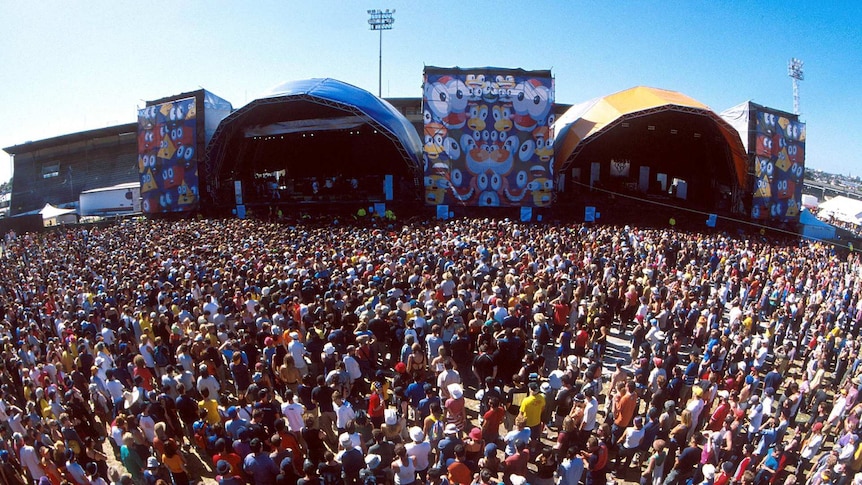
The inaugural Big Day Out festival launched in Sydney on January 19, 1992, marking a transformative moment in Australian music history. This event, featuring an eclectic mix of international and local acts, drew an estimated crowd of 8,000 people, setting the stage for what would become an iconic annual festival.
From Risky Concept to Cultural Phenomenon
The idea for the Big Day Out originated as a bold venture by promoters Ken West and Vivian Lees. At that time, outdoor music festivals were relatively uncommon in Australia. The duo envisioned a festival that would showcase a diverse range of musical genres, appealing to a wide audience. With a lineup that included the likes of Kurt Cobain and his band Nirvana, the event quickly attracted attention from both fans and music critics.
Despite initial skepticism from the industry, the first Big Day Out exceeded expectations. The festival’s unique combination of alternative rock, punk, and hip-hop resonated with attendees, laying the groundwork for its future success. According to Billboard, the event not only showcased emerging talent but also provided a platform for established artists to reach new audiences.
A Historic Lineup and Lasting Impact
The lineup for the festival featured a mix of international stars and local talent, creating a diverse musical tapestry. Alongside Nirvana, the event showcased acts like Bodyjar, The Mark of Cain, and Something for Kate. The inclusion of such varied genres helped to cultivate an inclusive festival atmosphere, attracting a diverse crowd.
As the day unfolded, the energy among the audience was palpable. Fans eagerly awaited each performance, particularly the highly anticipated set by Nirvana. The band, fresh off the success of their album Nevermind, delivered a performance that would become legendary. Cobain’s charismatic stage presence and the band’s raw energy left a lasting impression on attendees, cementing their status in Australian music lore.
The success of the first Big Day Out not only changed the landscape of music festivals in Australia but also set a precedent for future events. Over the years, the festival expanded to multiple cities, drawing larger crowds and featuring a wider array of artists. According to data from the Australian Bureau of Statistics, attendance at the festival reached over 60,000 by the late 1990s, demonstrating its growing popularity.
The Big Day Out established itself as a benchmark for music festivals worldwide, influencing similar events in other countries. It provided a blueprint for how festivals could operate, offering a diverse lineup while promoting a sense of community among music fans.
In the years that followed, the festival faced challenges, including changes in public taste and competition from other events. Despite these hurdles, the Big Day Out remained a cornerstone of Australia’s music scene until its last event in 2014. The festival’s legacy continues to inspire new generations of music lovers and festival organizers.
In conclusion, the first Big Day Out in 1992 was more than just a music festival; it represented a cultural shift in Australia. By bringing together a diverse array of artists and fans, it created a unique environment that celebrated music and community. The impact of that initial event is still felt today, underscoring its significance in the evolution of Australian music history.
