



































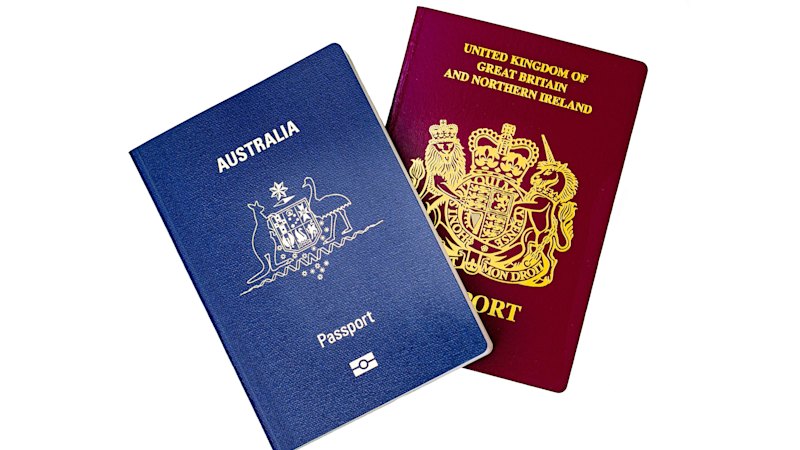
As new immigration regulations loom, some British citizens residing in Australia are opting to renounce their British citizenship. Effective from February 25, 2026, all dual citizens of Australia and the UK or Ireland will be required to present their British or Irish passports upon entering the UK. This change is part of the UK government’s post-Brexit immigration reforms, which are expected to affect approximately 2 million Australians who hold dual nationality.
For many, the decision to renounce citizenship reflects a broader sentiment of disillusionment with the UK. The cost of renouncing citizenship is around $1,000, significantly higher than the approximately $190 required to renew a British passport. Yet, some individuals are willing to incur this expense rather than maintain ties to a nationality they feel has lost its value.
Disillusionment with Brexit Drives Change
The emotional impact of Brexit has left many UK-born Australians feeling betrayed. One resident shared with the ABC that British citizenship is “not a lifestyle I’d want to adopt.” Another expressed frustration at the “prohibitively expensive” costs associated with maintaining their citizenship, stating, “It’s an emotional thing … I feel betrayed by this [thing] I never signed up for.”
The upcoming changes have prompted some to take drastic actions. Before the regulations take effect, individuals are choosing to renounce their citizenship rather than navigate the complexities of renewing their British passports. This drastic response underscores a significant shift in sentiment among those who once viewed dual citizenship as a privilege.
The 10th anniversary of the Brexit referendum marks a decade of turmoil for the UK, characterized by rising costs and increasing political division. Many UK nationals, particularly those living abroad, feel the effects of these changes acutely. With border controls becoming more stringent, the sense of freedom that dual citizenship once provided is now perceived as a burden.
Emotional and Practical Consequences
For individuals like Gary Nunn, who has been living in Australia since 2016, the emotional ties to their British nationality have weakened. Nunn reflects on how Brexit has transformed perceptions of British citizenship, stating, “Who can call themselves a proud citizen of Britain in the last 10 years?” He elaborates on how the UK has become a source of disappointment, plagued by rising racism and economic challenges.
As Nunn shares, his experience of living in Australia has shaped his identity. He feels more aligned with Australian values of egalitarianism and community spirit, which he attributes to the welcoming nature of his adopted country. This sentiment is echoed by many British expatriates in Australia, who increasingly identify with their new homeland as political instability continues to disrupt life in the UK.
The ongoing political climate in the UK, marked by the rise of far-right parties and increasing social unrest, contributes to the growing exodus of citizens choosing to distance themselves from their nationality. Many express feelings of embarrassment and frustration over the current state of affairs, which they believe has tarnished the UK’s once-storied reputation.
In summary, as the UK enacts new immigration policies, British citizens in Australia are making significant decisions regarding their citizenship status. The looming changes are not merely bureaucratic; they signify a deeper emotional and political rift shaped by the consequences of Brexit. While some choose to renounce their citizenship, others continue to navigate their dual identity in an ever-changing landscape.
