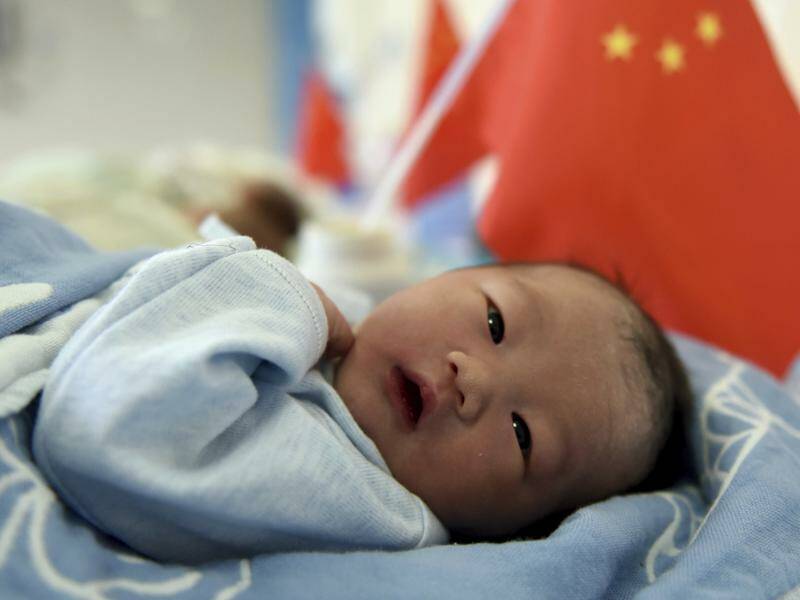
China has announced plans to fully cover out-of-pocket expenses related to childbirth starting in 2026. This initiative is part of a broader strategy to encourage young couples to have children amid declining birth rates. According to the National Healthcare Security Administration, the new policy aims for comprehensive reimbursement of medical expenses associated with childbirth, including prenatal check-ups.
The decision comes as China’s population continues to decline, having recorded its first drop in decades in 2022. Demographers predict this trend will persist due to ongoing low birth rates, which are exacerbated by a contracting workforce and a rapidly aging population. Local governments are already facing financial strains as they cope with these demographic shifts.
China’s declining birth rates can be traced back to the one-child policy that was implemented from 1980 to 2015. Factors such as rapid urbanization, the rising costs of childcare and education, job insecurity, and an overall slowing economy have led many young individuals to delay marriage and parenthood.
In response to these challenges, several provinces, including Jilin, Jiangsu, and Shandong, have already introduced measures to reduce the financial burden of childbirth. These local policies aim to make the process nearly free for families, reflecting a growing recognition of the need to bolster birth rates.
In March 2024, the Chinese government stated its commitment to actively respond to the needs of both the elderly population and young families. Planned initiatives include childcare subsidies and the introduction of free preschool education. Authorities have previously attempted to stimulate births through various means, such as extending maternity leave and offering financial incentives, tax benefits, and housing subsidies.
This new policy marks a significant step in China’s efforts to address its demographic challenges. By eliminating out-of-pocket costs for childbirth, the government hopes to create a more supportive environment for families, ultimately encouraging a higher birth rate in the years to come.