



































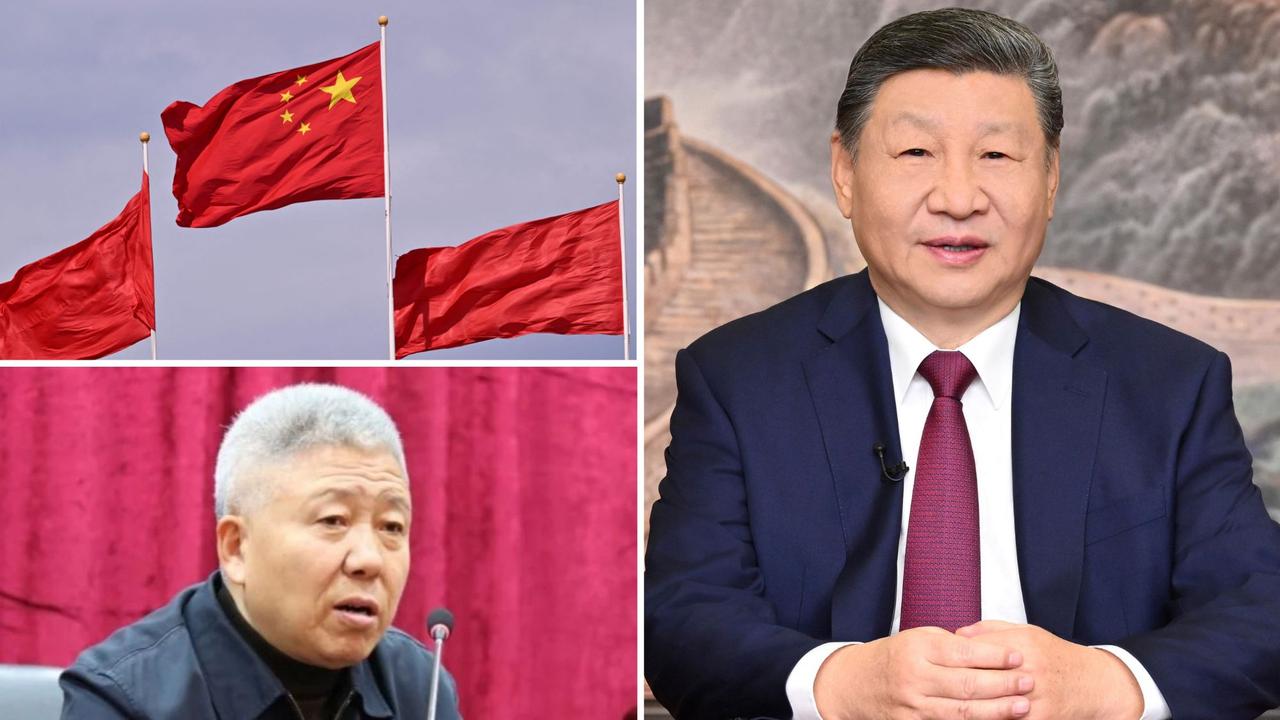
Former Chinese spy chief Gao Yichen has been stripped of his membership in the Chinese Communist Party (CCP) and faces severe consequences, including asset seizure and potential imprisonment. This action is part of an ongoing campaign led by President Xi Jinping aimed at rooting out corruption within the party. The Central Commission for Discipline Inspection (CCDI) announced on January 12, 2024, that Gao had violated various party disciplines, prompting his swift removal from power.
Gao, who held the position of vice-minister for the Ministry of State Security before retiring nine years ago, was responsible for overseeing the country’s comprehensive state security network. According to the CCDI, he “seriously violated party political discipline, organisational discipline, integrity discipline, and work discipline.” The commission’s statement described him as having “lost his ideals and conviction” and indicated that he had significantly undermined the political environment through his actions.
The allegations against Gao include “amassing wealth through bribery” and “improperly accepting gifts.” These charges reflect a broader trend in China, where the ongoing anti-corruption campaign has ensnared nearly one million individuals in the past year alone. The move against Gao appears to be part of Xi’s strategy to tighten control over the party and eliminate potential rivals.
Political Ramifications and Future Implications
Gao’s fall from grace is not an isolated incident. His previous role as deputy director of the controversial 610 Office indicates his significant influence in the party, particularly in matters related to religious practices and beliefs. Despite his retirement, Gao reportedly continued to leverage his connections for personal benefits, prompting further scrutiny from the CCDI.
The ongoing purge reflects a broader pattern within the CCP, where loyalty to Xi is increasingly prioritized over competence and operational capability. Analysts suggest that many high-ranking officials, including military leaders, are facing similar fates, as Xi seeks to consolidate power and ensure alignment with his political agenda. The recent removal of several top military officials indicates a potential shift in leadership dynamics, raising questions about the stability of the CCP’s elite.
As Xi Jinping pushes for “higher standards and more concrete measures” from officials, the pressure on upcoming party members intensifies. The Asia Society Policy Institute noted that future promotions will hinge more on political loyalty than on the technocratic achievements that characterized previous leadership. This shift could complicate governance as new leaders grapple with critical issues such as economic development and international relations.
Continued Focus on Anti-Corruption
The CCDI’s rigorous enforcement of anti-corruption measures is set to continue, with expectations for more high-profile arrests in the coming year. Xi’s commitment to intensifying these efforts is clear, as he demands that party officials uphold and strengthen the Party’s leadership while confining power within an institutional framework.
Gao’s case exemplifies the risks faced by those in positions of power within the CCP, where the landscape is increasingly shaped by a culture of loyalty and adherence to party ideology. As Xi solidifies his control, the consequences for disloyalty or misconduct become more severe, making it imperative for party members to navigate the complex political terrain carefully.
The implications of these purges extend beyond individual fates; they signal a significant recalibration of power dynamics within the CCP. Observers note that while Xi’s authority appears unassailable, the internal conflicts and purges may reflect deeper issues within the party that could impact its future governance and policy-making. The ongoing evolution of China’s political landscape continues to fascinate and challenge analysts attempting to understand its intricate dynamics.
