



































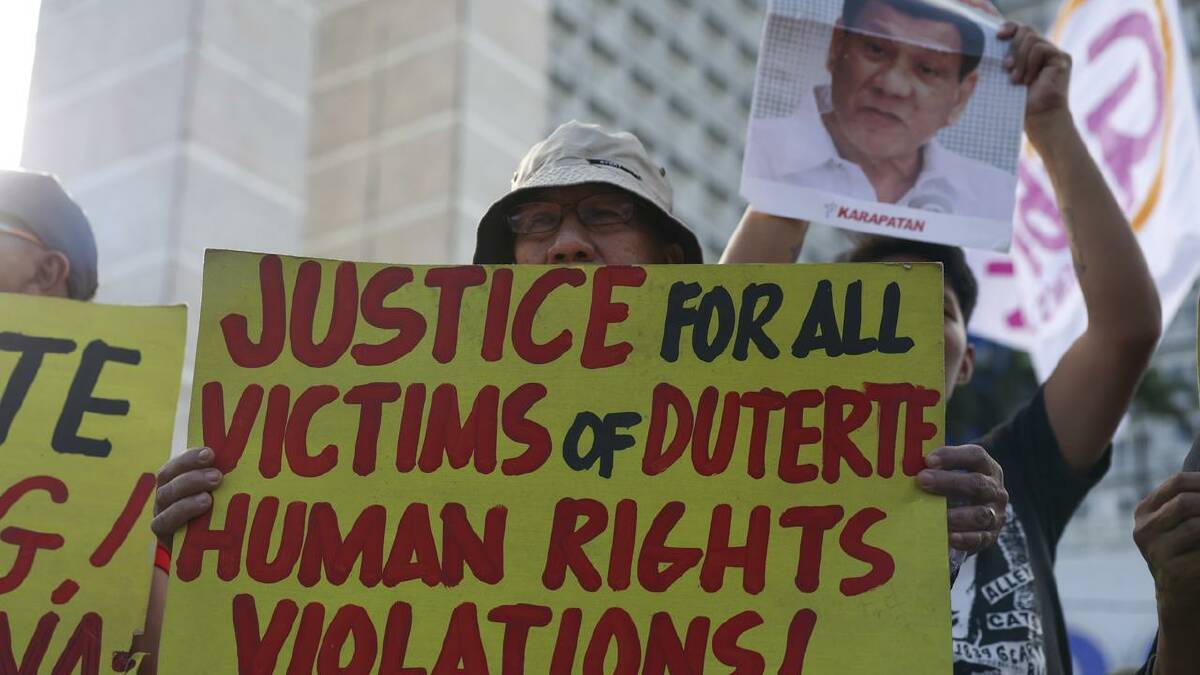
The International Criminal Court (ICC) has initiated pre-trial hearings against former Philippine President Rodrigo Duterte, who faces three counts of crimes against humanity linked to the violent anti-drug operations he oversaw during his administration. The hearings, which commenced in The Hague, allow prosecutors to present evidence supporting their claims of Duterte’s involvement in numerous extrajudicial killings as part of his controversial war on drugs.
Duterte, who is now 80 years old, chose not to attend the hearings, waiving his right to appear in court. Prosecutors outlined their case against him, detailing incidents that date back to his tenure as mayor of Davao and later as president. The allegations include a pattern of killings carried out under the guise of drug enforcement. Duterte has publicly dismissed the charges as an “outrageous lie,” asserting his innocence.
Details of the Proceedings
This specific hearing is not a trial; rather, it serves as a platform for prosecutors to lay out their evidence. Following the presentation, judges will have a period of 60 days to determine whether the charges warrant confirmation. In a previous ruling, judges declared Duterte fit to stand trial after postponing an earlier session due to health concerns.
Rights advocates and families of the victims have expressed hope for justice following Duterte’s arrest in March. Llore Pasco, a mother whose two sons were killed in 2017, emphasized the long wait for accountability, stating, “We have waited for this for so long, for years we have waited, but we did not relent.” Her sons were reported missing after leaving for work, their bodies later discovered with multiple gunshot wounds.
Political Reactions and Controversies
Supporters of Duterte have criticized the current administration led by Ferdinand Marcos Jr., labeling the arrest and subsequent surrender of Duterte to the ICC as a political maneuver. Marcos Jr., a political rival of Duterte, has faced backlash for engaging with a court whose jurisdiction is contested by Duterte’s camp. Notably, Sara Duterte, the former president’s daughter and current Vice-President, has announced her candidacy for the presidency in the upcoming 2028 elections, further complicating the political landscape.
In February 2018, ICC prosecutors announced the initiation of a preliminary investigation into the violent drug crackdowns associated with Duterte’s administration. Shortly thereafter, Duterte declared that the Philippines would withdraw from the ICC, a move criticized by human rights activists who argue it was an attempt to evade accountability. The ICC has since rejected a request from Duterte’s legal team to dismiss the case based on this withdrawal, and an appeal regarding this decision remains pending.
The death toll attributed to Duterte’s anti-drug campaign is highly disputed. Official figures from the national police cite over 6,000 fatalities, while human rights organizations estimate the number to be as high as 30,000. The stark difference in these figures highlights the contentious nature of the drug war and the ongoing debate surrounding human rights violations in the Philippines.
