



































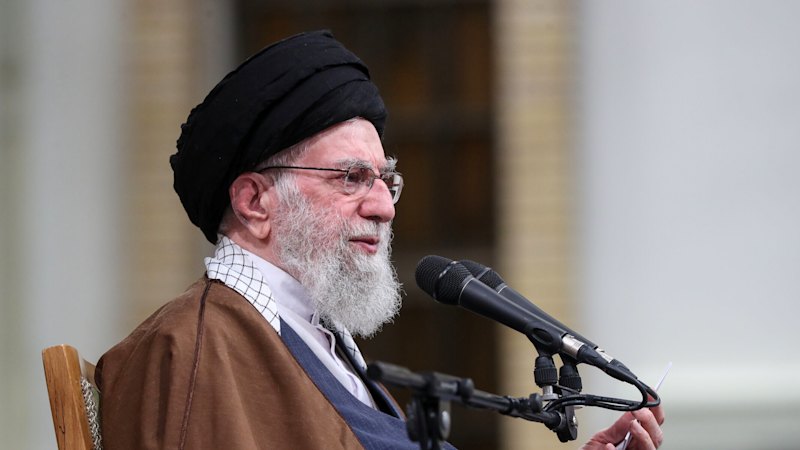
Iran’s Supreme Leader, Ayatollah Ali Khamenei, publicly acknowledged on Saturday that “several thousand people” lost their lives during recent anti-government protests. This marks the first time Khamenei has recognized the high death toll stemming from the unrest, a situation that has drawn widespread international attention and condemnation.
In a state television broadcast, Khamenei described some of the deaths as having occurred “brutally and inhumanely,” though he did not provide specific details. He accused the United States and Israel of complicity in the violence, claiming that the Islamic Republic possesses evidence to support these allegations. “We did not intend to push the country toward war,” he stated, but emphasized that Iran would not tolerate unpunished actions from either domestic or foreign adversaries.
Khamenei’s estimates of casualties align closely with those from human rights organizations, which report that approximately 3,500 individuals have died in the protests. Additionally, these groups indicate that more than 22,000 people have been detained amidst the unrest, which was fueled by a currency crisis that began late last year.
Former U.S. President Donald Trump weighed in on the situation, stating in an interview with Politico that Iran requires new leadership. He characterized Khamenei’s actions as leading to “the complete destruction of the country” and noted the unprecedented levels of violence used against the Iranian people.
Internet Blackout During Protests
The protests have been exacerbated by a record-long internet blackout affecting Iran’s population of approximately 92 million. Reports indicate that internet connectivity was partially restored on Saturday, though many residents remained largely cut off from the outside world for a ninth consecutive day. The Iranian government initiated the shutdown of internet and mobile phone services on January 8, 2024, in an effort to suppress the escalating demonstrations.
According to the semi-official Mehr news agency, internet access has been restored for some subscribers, although it did not clarify which specific restrictions had been lifted or whether international platforms were accessible. The Fars news agency also reported that mobile text messaging services had been reactivated after being previously blocked.
Monitoring group NetBlocks noted a “very slight rise” in internet connectivity, yet overall access remained just around 2 percent of normal levels. Users in Iran appeared to be largely offline, with minimal activity on popular platforms such as Telegram, Instagram, and X.
Government’s Communication Strategy
The Iranian authorities have frequently resorted to near-total communication blackouts during critical situations, as seen in both this month’s protests and those in 2019. The current blackout has effectively isolated much of the population from the global internet, redirecting users to a government-controlled domestic network that operates independently of broader online resources.
NetBlocks reported on Friday that the ongoing internet shutdown has surpassed the duration of the one imposed during the protests of 2019. As of early Saturday afternoon local time, few signs of online activity were evident, highlighting the government’s efforts to control information and communication during this period of unrest.
Fars has cited unnamed authorities stating that internet and communication services would be gradually restored, although some restrictions would remain in place as long as security conditions were deemed necessary. The situation continues to evolve, with the Iranian government facing increasing scrutiny from both domestic and international observers.
