



































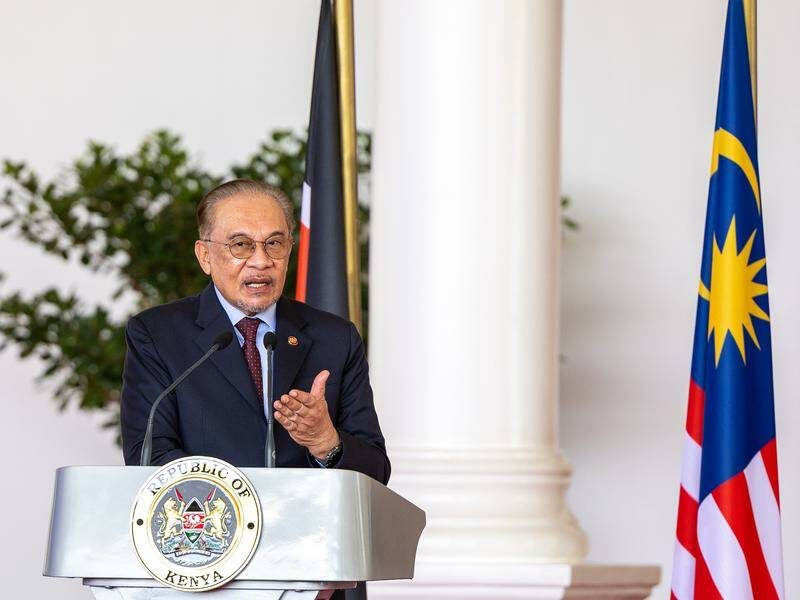
Malaysia’s lower house of parliament narrowly voted against a constitutional amendment that proposed limiting the premiership to two terms. The vote, held on Monday, saw 146 lawmakers in favor, falling two votes short of the required two-thirds majority. The amendment aimed to restrict any individual’s term as prime minister to a maximum of ten years, aligning with the reform agenda of Prime Minister Anwar Ibrahim‘s ruling coalition.
The process was marked by a notable level of abstention, with 44 members of parliament choosing not to participate in the vote and 32 absent. This high level of abstention raised questions about the political landscape within the coalition. Critics have accused Anwar, who took office in January 2022, of failing to fulfill his campaign promises, particularly regarding reform initiatives.
Prior to the vote, Azalina Othman Said, the law minister, addressed concerns raised by opposition members. She dismissed claims that the amendment would threaten the authority of the king, who holds the constitutional power to appoint a prime minister. Instead, she argued that implementing a term limit would enhance institutional integrity by preventing the indefinite concentration of power within the executive branch.
The failure to pass this amendment reflects growing dissatisfaction among lawmakers, including those within Anwar’s own coalition, concerning the execution of his reform plans. In January, Anwar stated that his administration would continue pursuing other reforms in the current year, including the introduction of an ombudsman law.
This week, parliament is expected to debate another significant bill that seeks to separate the role of the attorney general, which currently combines the positions of the government’s chief legal adviser and public prosecutor. This dual role has raised concerns regarding potential conflicts of interest, particularly as attorneys-general are appointed by the prime minister.
Last month, ten lawmakers from Anwar’s party threatened to withdraw support for this bill, expressing apprehension that it could establish a new office with concentrated powers among a select few individuals. The ongoing discussions and legislative actions highlight the complexities and challenges facing the current Malaysian government as it navigates its reform agenda in a politically divided environment.
As Malaysia moves forward, the focus will remain on how Anwar’s coalition addresses these internal pressures while striving to implement meaningful changes in governance.
