



































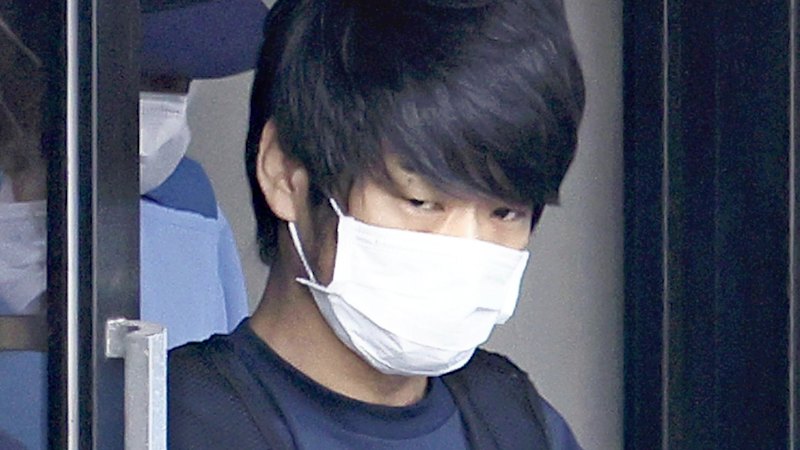
A Japanese court sentenced Tetsuya Yamagami to life in prison on March 13, 2024, for the assassination of Shinzo Abe, the country’s longest-serving prime minister. The verdict concludes a case that has not only shocked Japan but has also sparked discussions about political violence and societal issues. Yamagami, aged 45, was found guilty of multiple charges, including murder and violations of gun control laws, for shooting Abe during an election rally in Nara in July 2022.
During the trial, which lasted approximately two months, Yamagami admitted to using a homemade firearm to kill Abe, stating that he viewed the former prime minister as a supporter of the Unification Church, a South Korea-based organization that he claimed had financially devastated his family. His defense team requested a sentence of no more than 20 years, arguing that his upbringing and the circumstances surrounding his mother’s involvement with the church should be considered. They asserted that his homemade gun fell outside Japan’s stringent firearm regulations.
The courtroom remained tense as Judge Munehiro Nishiyama announced the life sentence. Yamagami, dressed in a black turtleneck and chinos, displayed no visible reaction. Prosecutors, emphasizing the unprecedented nature of the crime, contended that the assassination of a former state leader warrants the harshest punishment.
Yamagami cited a troubled childhood characterized by economic hardship, compounded by the suicides of his father and brother, as contributing factors to his actions. He stated, “I felt that striking back at the Unification Church – or, rather, dealing them a significant hit – was the very meaning of my life.” In stark contrast, many members of the public expressed outrage, advocating for a severe penalty for the killing of a significant political figure like Abe, who was gunned down while campaigning for a junior politician.
The trial drew intense media attention in Japan, a nation where political violence is uncommon. The last notable assassination of a high-profile politician occurred in 1936 when two former prime ministers were killed during a coup attempt by the Imperial Japanese Army. On the day of the verdict, nearly 700 people queued outside the courthouse, with only 33 allowed into the trial proceedings.
In a statement read in court by his widow, Akie Abe, she described her husband as “my one and only irreplaceable family member.” She expressed her profound sense of loss, asking Yamagami to “face what you have done head-on and properly atone for your crimes.” On his final day of testimony, Yamagami expressed remorse for his actions, acknowledging the pain caused to Abe’s family and offering an apology.
The assassination has prompted renewed scrutiny of the Unification Church, resulting in governmental investigations into its practices. A Tokyo court recently ordered the dissolution of the church’s Japanese branch, a decision that remains under appeal.
Abe served as Japan’s prime minister from 2006 to 2007 and then again from 2012 to 2020. He was known for his efforts to revitalize Japan’s economy through aggressive financial stimulus and for advocating a more assertive military stance. His legacy continues to influence current political dynamics, including the views of Japan’s current prime minister, Sanae Takaichi, who shares many of Abe’s hardline positions.
This case has not only highlighted the issue of political violence in Japan but has also stirred discussions about the impact of personal struggles on individuals’ actions. The ramifications of Abe’s assassination will likely resonate throughout Japanese society for years to come.
