



































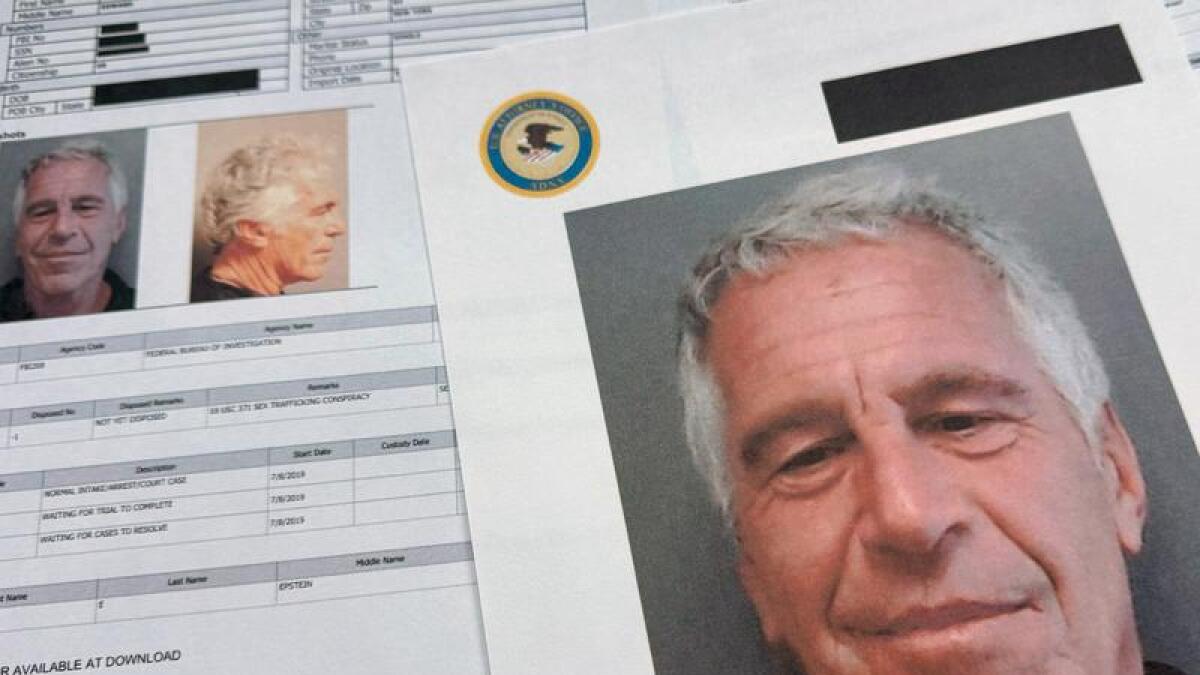
Poland has announced an investigation into potential links between the crimes of Jeffrey Epstein and Russian intelligence services. During a government meeting on March 12, 2024, Prime Minister Donald Tusk revealed plans to establish a dedicated team to explore any implications of Epstein’s actions within Poland, particularly concerning alleged involvement by Russian operatives.
Tusk emphasized the seriousness of the situation, stating, “More and more leads, more and more information, and more and more commentary in the global press all relate to the suspicion that this unprecedented paedophilia scandal was co-organised by Russian intelligence services.” He warned that the involvement of these services poses a significant threat to the security of the Polish state, suggesting they may hold compromising materials on various political leaders still active today.
The Russian Foreign Ministry has yet to respond to Tusk’s claims. An emailed request for comment sent to the Russian Embassy in Warsaw also went unanswered. Tusk’s remarks come amid increasing scrutiny of Epstein’s connections and the broader implications for international relations, particularly between Poland and Russia.
In a related statement made in December 2023, Maria Zakharova, spokeswoman for the Russian Foreign Ministry, characterized the release of Epstein-related documents as revealing the hypocrisy of Western elites. She noted that these documents featured prominent Western figures who publicly criticized Russia while being implicated in questionable associations. “Here, as I understood, were all the Western ‘lecturers on life’ who looked down on Russia and who lectured us about ‘democracy and human rights’ in interesting poses with equally interesting leisure partners,” Zakharova commented on Telegram.
The investigation into Epstein’s potential connections to Russian intelligence marks a significant development in Poland’s ongoing efforts to address the ramifications of the Epstein scandal. This inquiry could uncover critical information regarding international networks of influence and complicity that might affect political landscapes across Europe.
As Poland takes steps to understand the full extent of these connections, the situation continues to evolve. The implications of the findings could reshape not only Poland’s internal policies but also its diplomatic relations with Russia and other nations involved. The public and political response to this investigation will be closely watched as more details emerge.
