



































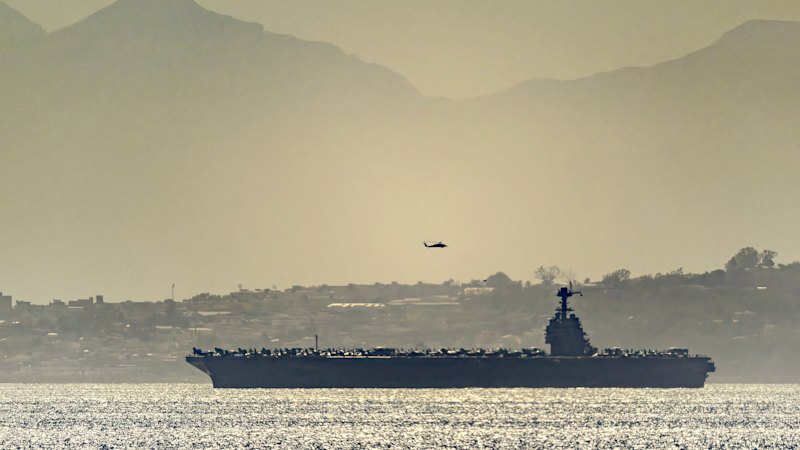
Protests have erupted across Iran as tensions escalate over the country’s nuclear program. Demonstrators took to the streets demanding government accountability amid increasing international scrutiny. The unrest coincides with reports that Donald Trump, the former President of the United States, is considering military options in response to Iran’s nuclear advancements.
As protests gain momentum, the Iranian government faces mounting pressure from both internal and external forces. Citizens are voicing their frustrations regarding economic hardships and political repression, while international leaders express concerns about Iran’s compliance with the nuclear deal established in 2015. This agreement, formally known as the Joint Comprehensive Plan of Action (JCPOA), aimed to limit Iran’s nuclear capabilities in exchange for sanctions relief.
In a significant development, Trump has reportedly been briefed on potential military actions, including targeted strikes against key Iranian figures. Sources indicate that options discussed include the assassination of Ali Khamenei’s son and several high-ranking mullahs. This revelation raises serious implications for U.S.-Iran relations, already strained since Trump’s withdrawal from the JCPOA in May 2018.
Escalating Tensions on Multiple Fronts
The protests are not merely a reaction to government policies but also reflect widespread dissatisfaction with the leadership’s handling of the economy and civil liberties. Economic sanctions, exacerbated by the COVID-19 pandemic, have left many Iranians struggling to make ends meet. The discontent has fueled a resurgence of protests, reminiscent of the significant unrest seen in 2019.
Meanwhile, the geopolitical landscape remains volatile. Reports suggest that Trump is considering these military options as a means to reassert U.S. influence in the region. The potential for military action has raised alarms among international observers, who worry that such moves could lead to a broader conflict involving multiple nations.
Iranian officials have condemned any threats of military action, asserting their right to defend national sovereignty. The Iranian Foreign Ministry stated that such actions would not go unanswered and would lead to severe consequences for those involved.
Global Reactions and Implications
The international community is closely monitoring the situation in Iran. While some nations advocate for diplomatic solutions to resolve tensions, others support a firmer stance against what they perceive as Iran’s aggressive posture in the region.
As protests continue, the Iranian government faces a critical juncture. The response to both internal dissent and external threats will likely shape its future policies and international relationships.
The unfolding events in Iran underscore the complex interplay between domestic discontent and international politics. With the potential for military action looming, the world watches closely as the situation develops.
In this highly charged environment, the voices of ordinary Iranians calling for change may become a pivotal factor in shaping the nation’s future, alongside the actions of global leaders like Donald Trump.
