



































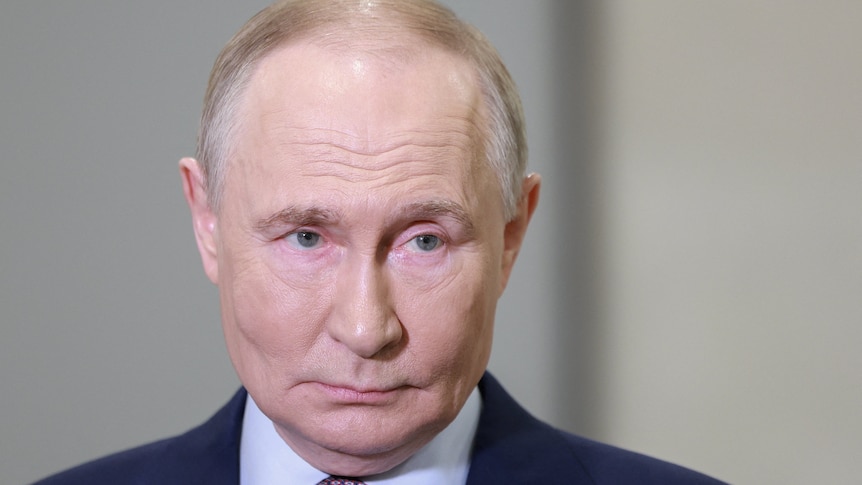
Vladimir Putin has emerged as a dominant force in Russian politics since he first took office in 2000. Initially serving as president for eight years, he transitioned to the role of prime minister, navigating constitutional constraints to maintain his grip on power. This remarkable political trajectory has transformed him into one of the most influential leaders on the global stage.
Putin’s rise began with his appointment as president after Boris Yeltsin resigned unexpectedly on December 31, 1999. Yeltsin endorsed Putin as his successor, a decision that would reshape the political landscape of Russia. In March 2000, Putin won the presidential election, securing approximately 53% of the vote. His early years in power focused on stabilizing the country after the turbulent 1990s, marked by economic instability and political chaos.
His leadership style has often been described as authoritarian, characterized by a centralization of power and suppression of dissent. During his first presidency, he implemented significant reforms aimed at consolidating state control over key industries, particularly in the energy sector. By 2008, Russia’s economy had shown signs of recovery, largely due to rising oil prices, which bolstered state revenues.
Following his two presidential terms, constitutional limitations prevented him from seeking re-election in 2008. Instead, he became prime minister under President Dmitry Medvedev. This arrangement allowed Putin to retain significant influence over the government and maintain his political agenda. In 2012, he returned to the presidency after a controversial election, further solidifying his power. His tenure has been marked by widespread allegations of electoral fraud and suppression of political opposition.
Putin’s foreign policy actions have also drawn global scrutiny. He has been involved in several high-profile international disputes, including the annexation of Crimea in 2014, which led to sanctions from Western nations. His government has faced allegations of meddling in foreign elections, further isolating Russia from many Western countries.
Throughout his time in office, Putin has fostered a cult of personality, often portraying himself as a strong leader capable of restoring Russia’s status on the world stage. He has engaged in various public relations campaigns, including showcasing his physical prowess and participating in high-profile events to bolster his image.
As of 2023, Putin continues to face significant challenges both domestically and internationally. The ongoing conflict in Ukraine, rising economic pressures, and increasing isolation from the West present hurdles to his administration. Despite these challenges, his grip on power remains firm, with constitutional amendments allowing him to potentially remain in office until 2036.
Putin’s journey from relative obscurity to the pinnacle of Russian politics illustrates not only his personal ambition but also the evolving dynamics of power in Russia. As he continues to navigate the complexities of leadership, the implications of his policies will undoubtedly shape the future of the nation and its role on the global stage.
