



































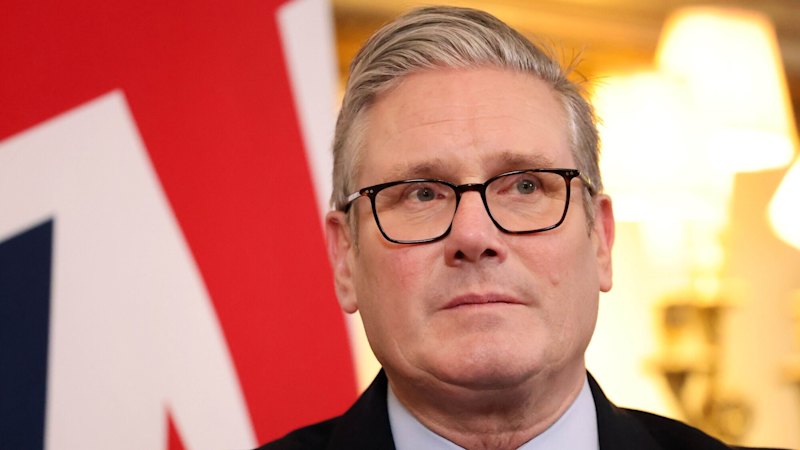
British Prime Minister Keir Starmer is set to land in China on March 15, 2024, marking a significant moment as he embarks on the first visit by a UK leader to the country in eight years. The trip is characterized by its potential for both diplomatic rewards and risks, particularly in light of the changing political landscape influenced by former US President Donald Trump.
Accompanied by a delegation of 60 business, university, and cultural leaders, Starmer’s mission focuses on strengthening economic ties with China, a market of 1.4 billion consumers. The prime minister is under domestic pressure to capitalize on the opportunities presented by enhanced relations with Beijing, especially as the UK seeks to diversify its trade partnerships.
Concerns Surrounding Starmer’s Diplomatic Approach
Despite the prospects for economic growth, Starmer faces skepticism from critics who have labeled the visit “Operation Kowtow.” Detractors, including members of the right-wing media, caution against compromising UK security and sovereignty in pursuit of trade deals. This criticism has intensified following the UK government’s controversial approval of a “super Chinese embassy” in London, raising concerns about espionage and the potential for increased Chinese influence.
In response to these criticisms, Starmer emphasized the necessity of balancing relations with both the US and China. “We’ve got very close relations with the US – of course, we want to maintain that business, alongside security and defence,” he stated in an interview with Bloomberg. He added that ignoring China’s economic significance is not a viable option for the UK.
Starmer’s diplomatic strategy mirrors that of other Western leaders, such as Anthony Albanese, the Prime Minister of Australia. Albanese’s recent visit to China focused on highlighting commercial benefits while downplaying geopolitical tensions.
Global Trade Dynamics and Human Rights Concerns
Starmer’s visit comes amid a growing trend of Western leaders engaging with Chinese President Xi Jinping. French President Emmanuel Macron visited Beijing in December, seeking to bolster trade ties, although he did not secure a significant deal. Similarly, German Chancellor Friedrich Merz is scheduled to visit in late April, as European leaders grapple with China’s expanding influence in manufacturing.
Despite the economic incentives, human rights issues remain a contentious topic. Starmer has stated that security is a “non-negotiable” aspect of the UK’s relationship with China. How assertively he addresses human rights and related concerns during his discussions with Xi will be closely scrutinized. Notably, the case of pro-democracy activist Jimmy Lai, a UK citizen imprisoned in Hong Kong, presents a potential opportunity for Starmer to leverage his visit for humanitarian gains.
The delegation accompanying Starmer includes heavyweights from major corporations such as HSBC, AstraZeneca, and Jaguar Land Rover, indicating strong business interests in fostering relations with China. One potential deal involves Chinese car manufacturer Chery utilizing underused capacity at a Jaguar plant in the UK.
As Starmer navigates this diplomatic tightrope, former Foreign Secretary Jeremy Hunt highlighted the delicate balance required. “There is a real diplomatic tightrope that Keir Starmer has to walk here,” he said, acknowledging both the potential benefits and risks of increased trade with China.
Relations between the UK and China, much like those between Australia and China, have fluctuated significantly over the past decade. The previous administration under David Cameron touted a “golden era” of cooperation, which has since cooled due to various geopolitical tensions. The recent elections of centre-left governments in both countries provide an opening for renewed engagement, marking a potential shift in Anglo-Sino relations.
As Starmer embarks on this pivotal trip, the implications of his visit will likely resonate beyond trade, shaping the future of UK foreign policy and its stance on international human rights issues. The world will be watching closely as he attempts to balance economic opportunity with ethical considerations.
