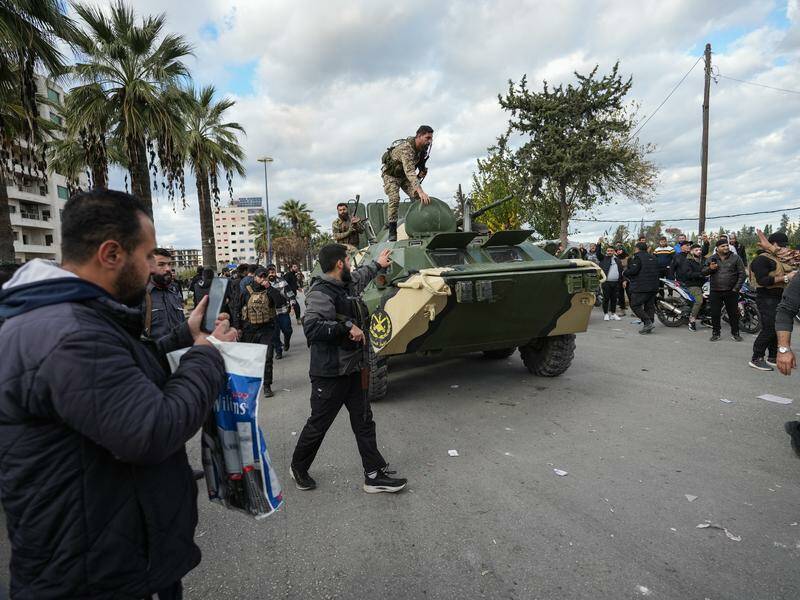
In response to escalating violence during recent protests, Syrian authorities have imposed a curfew in Latakia, a city known for its strong Alawite presence. State media reported that the curfew is in effect from 17:00 local time on Tuesday until 06:00 on Wednesday. This decision follows a series of deadly protests that have emerged since the ousting of longtime leader Bashar al-Assad last year.
The unrest in Syria has intensified following the death of four individuals during protests that turned violent. Just days prior, a bomb exploded at an Alawite mosque in the nearby city of Homs, resulting in the deaths of eight people. These incidents have heightened tensions in a country already fraught with sectarian strife.
Protests Demand Political Change
On Sunday, thousands of Alawite protesters gathered in Azhari Square in Latakia, calling for a decentralized political system and the release of Alawite prisoners. The demonstration was part of a broader expression of discontent against the current political landscape, which has seen significant shifts in power following the rebellion against Assad’s government.
Previously, a protest in November had lasted only an hour before it was disrupted by a counter-protest supporting the new Sunni-led government. In both instances, Syrian security forces responded with gunfire to disperse the crowds, raising concerns about the government’s approach to public dissent.
Following the recent outbursts of violence, security forces have increased their presence in various neighborhoods throughout Latakia. The government’s decision to impose a curfew reflects a heightened effort to stabilize the situation and prevent further clashes.
The backdrop of these protests is marked by a history of sectarian violence in Syria, particularly since the civil unrest began in 2011. The Alawite community, from which Assad hails, has faced increasing hostility as Sunni groups gain more influence in the region.
The situation remains fluid, with many observers concerned about the potential for further escalation of violence. As the curfew is enforced, the government aims to regain control over the cities affected by unrest, but the underlying issues continue to pose challenges to stability in the region.