



































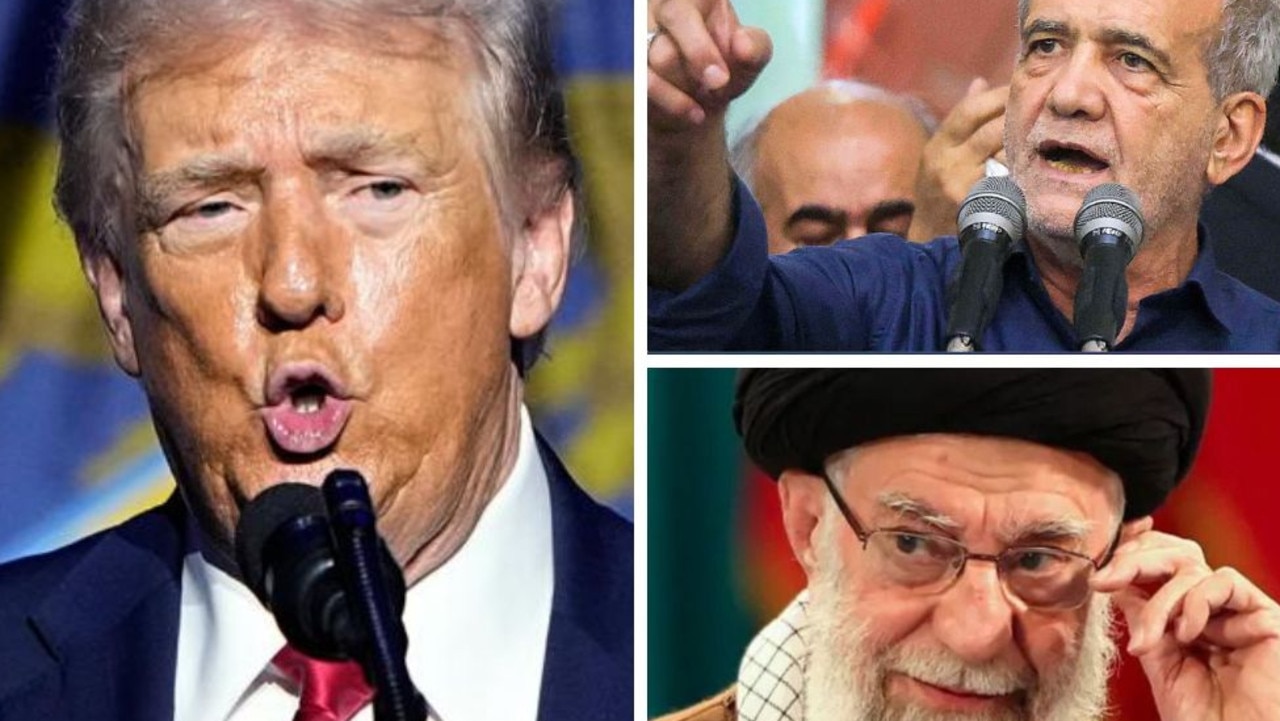
In a dramatic escalation of hostilities, Iran has vowed to retaliate following the death of its Supreme Leader, Ayatollah Ali Khamenei, during coordinated military strikes by the United States and Israel. The situation has prompted strong warnings from former U.S. President Donald Trump, who declared that the U.S. would respond with unprecedented force if Iran continues its retaliatory actions against American bases.
In a post on Truth Social on March 10, 2024, Trump remarked, “Iran just stated that they are going to hit very hard today, harder than they have ever hit before.” His comments came after Khamenei was killed in a series of targeted strikes, marking a critical turning point in the ongoing conflict. The Iranian regime is now led temporarily by Ayatollah Alireza Arafi.
Iran’s Response and Military Preparations
The Iranian President, Masoud Pezeshkian, has publicly vowed to avenge Khamenei’s death, framing it as both a “duty and legitimate right” of Iran. State media have reported that the Iranian military is preparing “the most devastating offensive operation in the history of the Islamic Republic of Iran’s armed forces” against U.S. installations. This declaration signals a potential for further conflict in an already volatile region.
Recent airstrikes have reportedly targeted industrial infrastructure in Doha, Qatar, and Dubai, UAE, leading to widespread alarm. Witnesses reported seeing dark plumes of smoke rising above the cities, accompanied by loud explosions. Additionally, maritime security agencies confirmed that two ships were attacked in the strategic Strait of Hormuz, heightening concerns over safety in a crucial shipping lane.
In response to escalating tensions, MSC, a leading global shipping company, has advised its vessels in the Gulf to seek safe shelter and has suspended all bookings for cargo to the Middle East. This precaution underscores the potential disruption to international trade as hostilities continue.
International Reactions and Calls for Restraint
The situation has prompted reactions from global leaders, including Russian President Vladimir Putin, who characterized Khamenei’s death as a “cynical murder that violated all norms of human morality and international law.” Such statements reflect the international implications of the conflict and the potential for broader diplomatic fallout.
Meanwhile, Pope Leo has urged all parties involved to cease hostilities, warning of a “possibility of a tragedy of enormous proportions.” His appeal highlights the urgent need for diplomacy in addressing the crisis, as the conflict threatens not only regional stability but also global peace.
The evolving situation remains fluid, with developments occurring rapidly. As nations monitor the conflict, the potential for further military engagement looms large, underscoring the delicate balance of power in the region.
