



































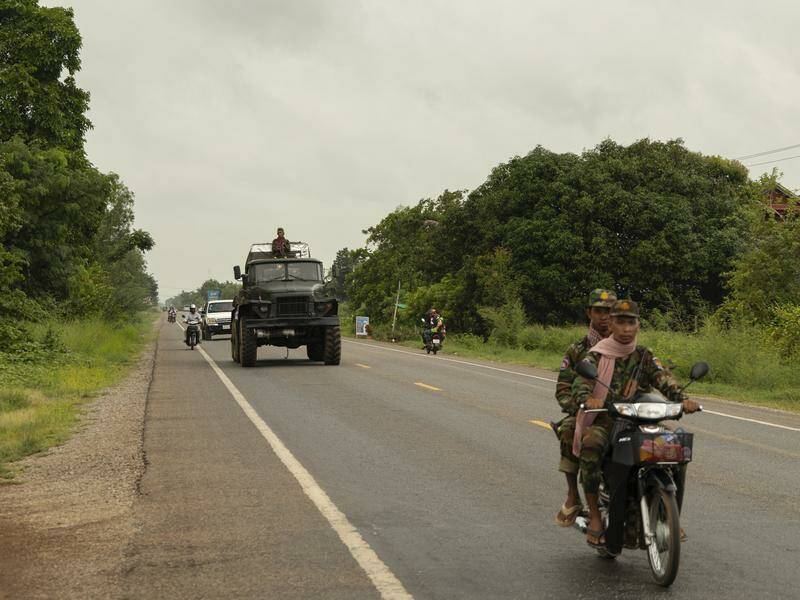
Thailand and Cambodia have reached a ceasefire agreement to end weeks of intense border clashes, marking a significant development in a conflict that has escalated into the worst fighting in years. The agreement, announced on December 2, 2023, includes provisions to maintain current troop deployments, preventing further military movements that could exacerbate tensions.
The joint statement, issued by the defence ministers of both countries, revealed that the ceasefire would take effect at noon local time. Natthaphon Nakrphanit, Thailand’s Defence Minister, and his Cambodian counterpart Tea Seiha emphasized the importance of this agreement in their joint communication. They noted that any reinforcement of troops would likely heighten tensions and negatively impact long-term efforts to resolve the conflict.
The recent clashes began in early December following a breakdown of a previous ceasefire, which had been facilitated by former US President Donald Trump in July. This renewed fighting has resulted in at least 101 fatalities and displaced more than 500,000 individuals across both nations, signaling a humanitarian crisis that demands urgent attention.
Efforts to re-establish peace are critical given the historical context of conflicts between Thailand and Cambodia, primarily centered around territorial disputes and resource control. The current situation not only threatens regional stability but also has significant humanitarian implications, as communities are forced to flee their homes amidst ongoing violence.
International observers are closely monitoring the ceasefire’s implementation, hoping that it will pave the way for more comprehensive negotiations aimed at addressing the underlying issues fueling the conflict. The joint statement from the defence ministers has been shared widely, including on social media platforms, highlighting the urgency of maintaining peace and the necessity of dialogue in resolving disputes.
As both nations move forward, the international community will be watching closely to see if this ceasefire can hold and lead to a more sustainable solution for the affected populations. The situation underscores the need for continued diplomatic engagement to prevent future escalations and to protect vulnerable communities caught in the crossfire.
