



































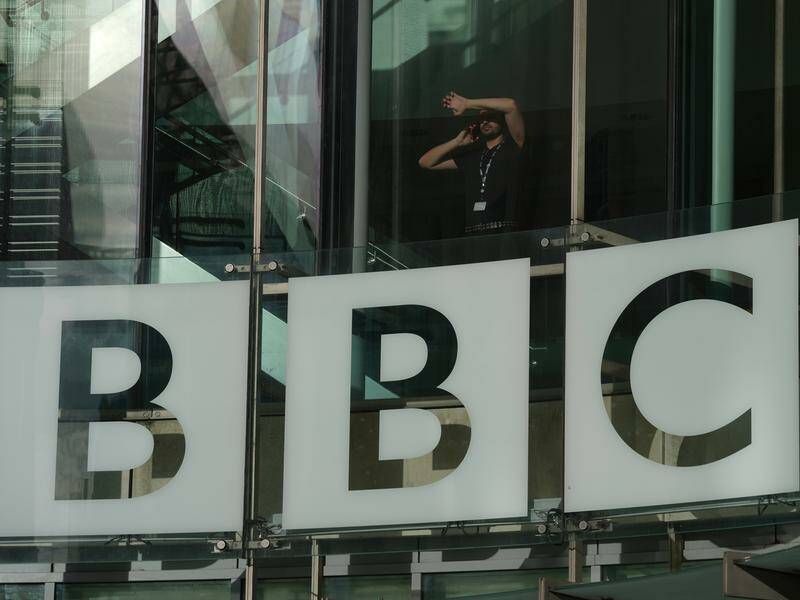
Former U.S. President Donald Trump has initiated a lawsuit against the BBC seeking damages of up to $10 billion USD (approximately $15 billion AUD). The legal action stems from edited segments of a speech he delivered on January 6, 2021, which Trump claims misrepresented his words and incited a defamation campaign against him.
The crux of Trump’s allegations revolves around the BBC’s presentation of his remarks, particularly in a segment that aired on its Panorama documentary. Trump contends that the broadcast spliced clips together to create the false impression that he called on his supporters to storm the U.S. Capitol. He argues that the editing omitted crucial context, notably his call for a peaceful protest during the same speech.
In his lawsuit, filed in a federal court in Miami, Trump seeks $5 billion USD for each of the two counts of defamation. His legal team asserts that the BBC’s actions not only defamed him but also violated a Florida law aimed at preventing deceptive and unfair trade practices.
The BBC has acknowledged making an error in judgment, issuing an apology for the misleading edit, which it admitted could be interpreted as a call for violence. Nonetheless, the broadcaster maintains that no legal grounds exist for the lawsuit and plans to defend itself vigorously. According to British minister Stephen Kinnock, the BBC has rightly stood firm on the issue and emphasized that the apology does not imply liability.
Trump’s legal representatives argue that despite the apology, the BBC has shown no genuine remorse or made significant changes to prevent future occurrences of what they term “journalistic abuses.” A spokesperson for Trump’s team claimed that the BBC has a documented history of distorting coverage related to the former president, asserting that such actions serve a broader political agenda.
The timing of the lawsuit is notable, as it coincides with the lead-up to the 2024 presidential election. This documentary has already ignited controversy, leading to the resignation of two top executives at the BBC, amidst scrutiny over its editorial practices. The BBC has clarified that the documentary was not aired in the United States, though it is available on BritBox, a BBC-owned streaming service.
Legal experts have indicated that Trump faces significant challenges in proving his case under U.S. law, which provides strong protections for free speech and press freedom. To succeed, he will need to demonstrate that the edit was not only false but that the BBC acted with actual malice or reckless disregard for the truth. The BBC could argue that the edits were substantially true and that they did not create a misleading impression about Trump’s intentions.
Trump’s legal strategy appears to draw on previous settlements with other media outlets, such as CBS and ABC, following his election victory in November 2024. This case marks a significant escalation in Trump’s ongoing battle against media narratives he perceives as damaging, highlighting the contentious relationship between the former president and the press.
The January 6 attack, which aimed to disrupt the certification of Joe Biden’s electoral victory, remains a pivotal moment in American history. Trump’s lawsuit against the BBC underscores the deep divides in U.S. politics and the role of media in shaping public perception.
