



































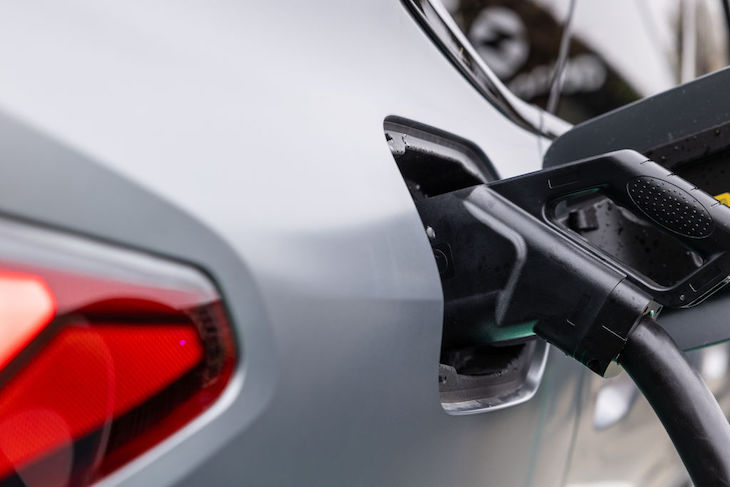
The UK government has announced plans to provide grants of up to £3,750 to encourage motorists to purchase electric vehicles (EVs). This initiative aims to address the surplus funds available to the government but raises questions about its effectiveness and strategy in promoting EV adoption.
Concerns Over Effectiveness of EV Grants
This new scheme is reminiscent of the previous Conservative government’s efforts, which offered grants up to £4,000 before these were reduced and ultimately withdrawn in 2022. Critics argue that simply providing financial incentives may not significantly increase EV adoption rates, as many motorists face practical barriers to switching from traditional petrol and diesel vehicles.
Transport Secretary Heidi Alexander highlighted a key issue when she admitted she has not purchased an electric vehicle due to her living situation in a terraced house without a driveway. This situation is common, affecting approximately one-quarter of households in the UK. For many, the lack of a dedicated charging point at home poses a significant obstacle, particularly for those living in flats or without easy access to charging stations.
With concerns surrounding the public charging network’s reliability and cost, many potential EV buyers may remain hesitant. The government’s strategy appears to overlook these critical challenges, as the grants alone may not address the systemic issues in EV infrastructure.
Regulatory Pressures Add Complexity
In addition to the financial incentives, the government has introduced the Zero Emission Vehicle (ZEV) mandate. This regulation requires manufacturers to ensure that 28 percent of the cars sold in 2025 are fully electric. Failure to meet this target could result in substantial penalties of £15,000 per vehicle sold below the mandated level. Current data shows that the industry has only achieved a 21.6 percent compliance rate to date, suggesting a potential financial setback for many manufacturers.
Despite these efforts, the question remains whether the combination of financial incentives and regulatory pressure can effectively stimulate the market for electric vehicles. Critics argue that without addressing the underlying preferences of consumers, these measures may not yield the desired results. Many motorists simply do not see EVs as a viable option for their needs.
Moreover, the new grants may complicate the UK’s trade negotiations with the Biden administration. The Starmer government appears to be drawing inspiration from Biden’s Inflation Reduction Act, which has been criticized as protectionist. The UK’s grants are reportedly limited to EVs manufactured within the country, a move that may not resonate well with US officials, particularly given former President Donald Trump‘s previous opposition to similar grant schemes.
In summary, while the UK government’s initiative to provide grants for electric vehicle purchases could be seen as a positive step towards reducing carbon emissions, significant barriers remain. Without addressing the practical challenges faced by potential buyers and ensuring a robust charging infrastructure, the impact of these financial incentives may be limited.
