



































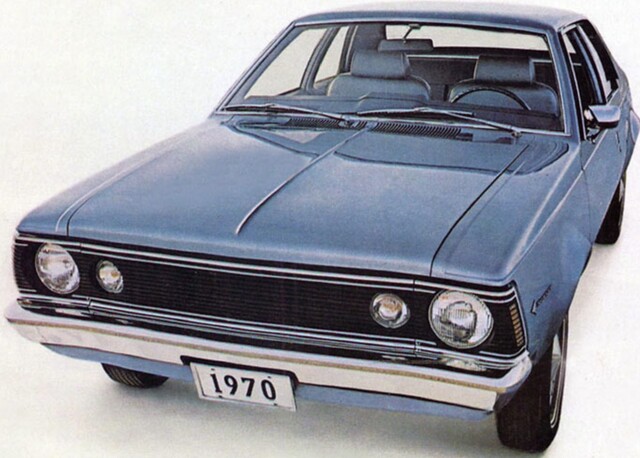
The Rambler Hornet is making a comeback, reviving a nostalgic segment of the Australian automotive landscape. Originally introduced in the early 1970s by the American Motors Corporation, the Hornet quickly gained a reputation for its unique design and performance, capturing the attention of car enthusiasts across Australia. Now, as demand for classic vehicles surges, automotive experts are reflecting on its legacy and potential revival in the current market.
The Hornet was designed as a compact vehicle, boasting a blend of style and practicality. Its sporty look was complemented by a variety of engine options, appealing to a diverse range of consumers. In Australia, the Hornet found a dedicated following, standing out among a sea of traditional family cars. The model was particularly noted for its affordability, making it accessible to a broad audience.
The Impact of the Hornet on the Australian Market
During its production run, the Rambler Hornet played a significant role in reshaping the automotive preferences of many Australians. The vehicle was not only budget-friendly but also offered innovative features for its time, such as a spacious interior and a reputation for reliability. According to historical data, the Hornet was particularly popular among young families and first-time car buyers, which helped solidify its status in the competitive market.
The Hornet’s design was characterized by its distinctive styling, which included a sleek body and bold color options. These features contributed to its appeal, and many owners cherished their Hornets for years. In fact, some models have become highly sought after among collectors today, highlighting the enduring legacy of the vehicle.
The Future of the Hornet in Australia
As the automotive industry shifts towards electric and hybrid models, there is a growing interest in reviving classic cars like the Rambler Hornet. Enthusiasts and collectors are advocating for a modern interpretation of the Hornet, which could combine its iconic design with contemporary technology. This move could attract a new generation of drivers who appreciate the aesthetics of classic cars while seeking the efficiency of modern engineering.
Industry analysts suggest that a revival of the Hornet could also stimulate local manufacturing and create job opportunities. If the project gains traction, it could serve as a catalyst for further investment in the automotive sector, particularly in regions like Central Queensland, where the Hornet once enjoyed popularity.
In conclusion, the Rambler Hornet represents more than just a vehicle; it embodies a slice of automotive history that resonates with many Australians. As discussions of its potential return gain momentum, the Hornet’s legacy continues to inspire both nostalgia and innovation within the industry. Whether through a modern remake or appreciation of classic models, the Hornet’s buzz is set to return to Australian roads.