



































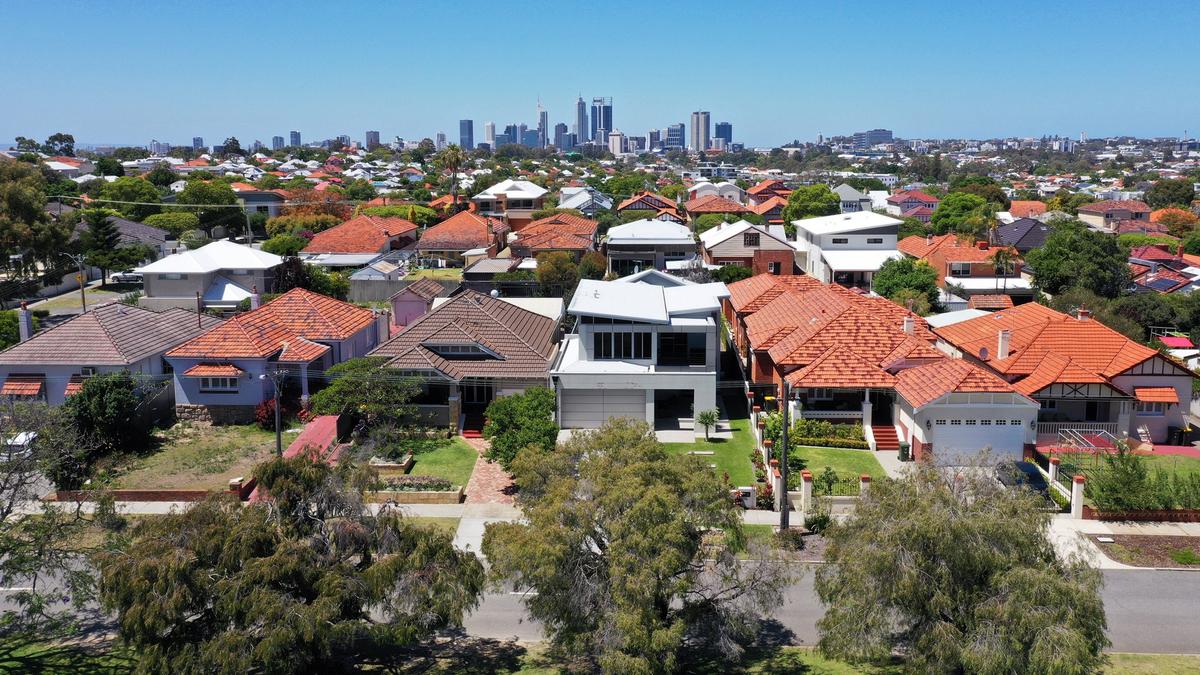
Perth’s property market experienced significant growth in January, with median house prices rising by nearly $20,000 during the month. According to new data from Cotality, dwelling values in Perth increased by 2 percent, bringing the median price to $961,898. This translates to an increase of $19,238 within just one month, averaging over $4,800 per week.
While this growth remains substantial, Tim Lawless, an economist at Cotality, noted that January’s increase reflects a slight moderation compared to the previous year’s peaks. In October, prices surged by 2.7 percent, followed by a 2.9 percent increase in November. “We may have moved through the peak of growth that was closely aligned with inflation,” said Lawless. “However, we have a long way to go before the market falls back into something sustainable.”
Market Dynamics and Trends
The lower end of the market remains particularly active, primarily due to affordability concerns. Despite the ongoing demand, availability is a growing issue, with listings in Perth down by 39 percent compared to January of last year. This scarcity is squeezing the affordable segment of the market, as reflected in the rise of Perth units, which increased by 2.3 percent in January, slightly outpacing the 1.9 percent increase for houses.
“The rapid price rises have created a palpable sense of urgency among buyers,” Lawless commented. “There is little to choose from, making the situation even more challenging.” The data indicates that Perth’s property market has outperformed the national average, which saw an increase of just 0.7 percent across all capital cities in January. Over the past three months, Perth has seen a remarkable 7 percent growth compared to a mere 2.1 percent increase nationwide.
Future Market Outlook
As Perth navigates its property market dynamics, several factors are at play. Lawless highlighted both headwinds and tailwinds affecting the market in 2024. On the positive side, supply-side constraints and a robust labor market will likely support property values. The 5 percent Home Guarantee Scheme for first-home buyers is also expected to stimulate demand. Additionally, tight rental markets may encourage more individuals to pursue homeownership.
Conversely, potential interest rate increases could dampen purchasing power and consumer confidence. The ongoing affordability crisis also remains a concern, as many buyers grapple with rising living costs. Lawless emphasized that while a significant downturn in property prices across Australia seems unlikely, the market may experience softer and more uneven growth in the upcoming year.
Overall, the forthcoming report from Cotality, expected to be released on Monday, suggests that the demand for properties may be hindered by affordability challenges and credit constraints. Yet, supply issues and a resilient labor market will serve as stabilizing forces. “In this environment, a slowdown in value growth appears more probable than a sharp reversal unless economic or credit conditions deteriorate more than anticipated,” Lawless concluded.
