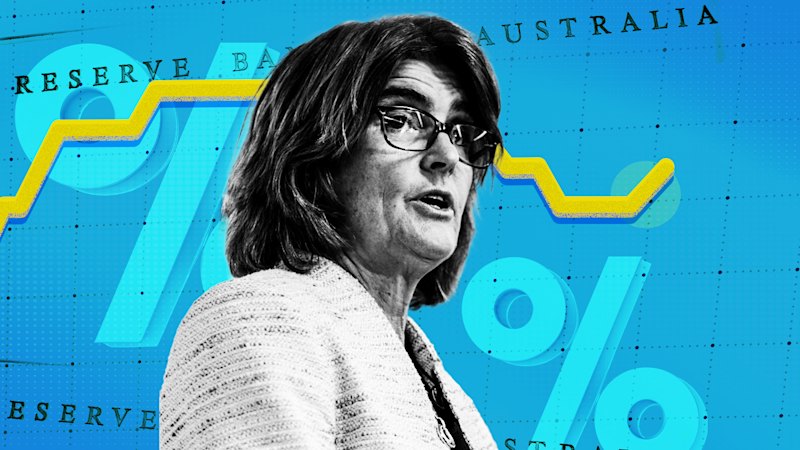
Reserve Bank of Australia (RBA) Governor Michele Bullock has emphasized the need for patience in tackling persistent inflation as the central bank faces increasingly complex monetary policy decisions. In a recent address at the Melbourne Foundation for Business and Economics annual dinner, Bullock highlighted the shifting economic landscape since mid-2022, when inflation appeared to be under control.
Bullock noted that inflation has risen above desired levels, necessitating adjustments to financial conditions. “I think there was a recognition in February 2023 that inflation was now too high, and forecasts were that it wasn’t going to come back into target very soon, without some action on financial conditions,” she stated. Earlier this month, the RBA increased the cash rate by 0.25 percent, bringing it to 3.85 percent, as part of a response to the elevated inflation rates.
Complex Economic Landscape
The governor acknowledged that the current economic situation presents a more challenging environment for monetary policy than in previous years. “When we were coming out of COVID and inflation was heading up to 8 percent with interest rates at zero, there was no doubt what we had to do,” Bullock explained. Now, with the labour market showing signs of tightness and inflation remaining high but not accelerating further, the RBA’s path forward is less clear.
Bullock characterized the economy as recovering, but she cautioned that the balance between controlling inflation and supporting the labour market complicates decision-making. “We’re in this position, which is actually quite a good position, where the economy is sort of recovering. And this is where it’s difficult. The judgments are a little bit more difficult,” she said.
She urged the public to remain patient as the RBA navigates these complexities. “That’s why people have to be patient,” Bullock remarked.
Data-Driven Decisions and Global Perspectives
Addressing concerns about the RBA’s reliance on outdated data, Bullock affirmed that the bank remains focused on forward-looking analysis. “We’re not backward looking. We are trying to be forward looking,” she stated, acknowledging the inherent difficulties in forecasting economic conditions.
Bullock also touched upon the situation in the United States, expressing confidence in the independence of the US Federal Reserve. “So far, I would have to say that the chair Jay Powell has stood very calmly and kept his eyes focused on what he needs to be focused on, and that’s a sign of independence,” she noted.
Despite a turbulent year marked by geopolitical tensions and economic challenges, Bullock observed that markets have remained relatively composed. “The markets seem remarkably sanguine about things, I have to say, at the moment,” she commented. While acknowledging the uncertainties that persist, she stressed the importance of focusing on current issues, particularly those affecting the domestic economy.
As the RBA continues to assess its approach to monetary policy, Bullock’s remarks underscore the need for vigilance and adaptability in the face of evolving economic conditions. The call for patience reflects a cautious optimism about the trajectory of the Australian economy in the coming months.