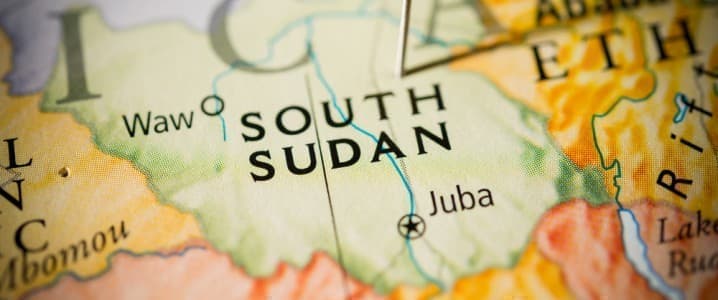
The Sudanese government is taking decisive steps to assert its control over the Heglig oil field amidst an escalating civil war. As clashes continue between the Sudanese Armed Forces and the Rapid Support Forces (RSF), a paramilitary group, authorities in Khartoum are emphasizing the strategic importance of Heglig, insisting that it remains operational and under state management. This move aims to reinforce the perception of stability in a vital corridor that is essential for the oil operations of neighboring South Sudan.
Heglig’s significance is often misrepresented in terms of production volume. While most economically significant crude oil is sourced from South Sudan, Heglig plays a crucial role as a processing and export hub. It acts as a key transit point for oil from South Sudan, highlighting its importance beyond mere production capabilities. By maintaining control over this area, the Sudanese government is attempting to secure the infrastructure necessary for oil transportation, which is vital for both nations’ economies.
The government’s public denial of any RSF involvement at Heglig is a strategic decision aimed at reassuring international stakeholders. Insurers, operators, and foreign partners typically assess infrastructure based on perceived security, which affects their decisions regarding staffing, maintenance, and insurance coverage. According to reports, there is currently no credible evidence indicating that the RSF has established control over Heglig’s core facilities. Their primary areas of influence remain in regions further west, specifically in Darfur and parts of West Kordofan.
By delineating a hard boundary around Heglig, the Sudanese authorities are not only seeking to stabilize their oil sector but also to mitigate the potential economic fallout from the ongoing conflict. The situation in Sudan remains fluid, and any shifts in control could have significant implications for both Sudan and South Sudan, given their interconnected oil economies.
As the conflict continues, the international community is closely monitoring the developments surrounding Heglig. The Sudanese government’s insistence on maintaining control over this oil field reflects broader strategic interests that could influence regional stability in the coming months.