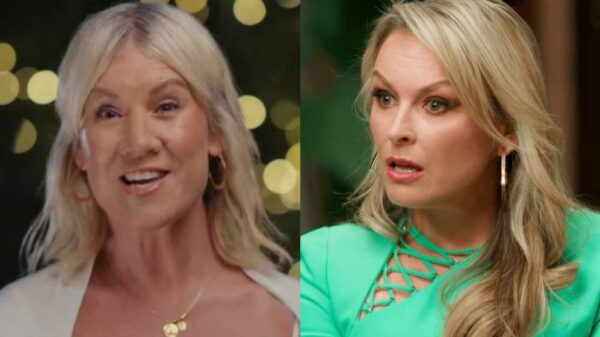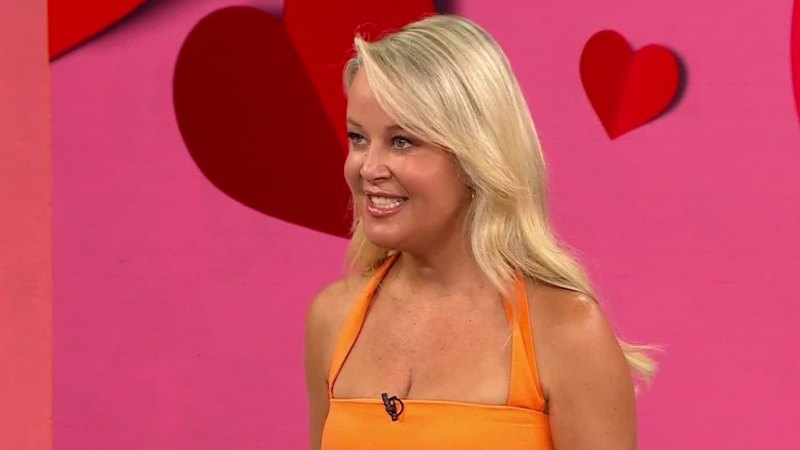
The concept of solo dating is gaining traction as a significant self-care trend for 2026, according to dating expert Jana Hocking, who recently appeared on the Today Show. This movement encourages individuals to take themselves out on special dates, promoting self-love and personal enjoyment. The rise of solo dating reflects a broader societal shift towards prioritizing mental health and individual fulfillment.
Hocking emphasizes that engaging in solo dating allows people to explore their interests without the pressure of catering to a partner’s preferences. This practice can manifest in various forms, such as dining alone at a favorite restaurant, attending a concert, or visiting an art gallery. As individuals embrace their own company, they cultivate a deeper sense of self and enhance their emotional well-being.
Exploring the Benefits of Solo Dating
The benefits of solo dating extend beyond mere enjoyment; they contribute significantly to personal development. Engaging in this trend fosters independence and resilience. As individuals navigate experiences on their own, they become more self-reliant, which can boost confidence. According to mental health professionals, these outings also serve as a form of mindfulness, allowing individuals to reconnect with themselves and their thoughts.
Moreover, solo dating can help alleviate feelings of loneliness. By consciously spending time alone in enjoyable settings, individuals can shift their perspective on solitude. Instead of viewing it as a negative state, they learn to appreciate their own company, which can lead to healthier relationships in the future.
Research indicates that prioritizing self-care is essential for maintaining mental health. A survey conducted in 2023 by the Australian Institute of Mental Health found that 68% of respondents reported that engaging in self-care activities improved their overall well-being. Solo dating fits seamlessly into this framework, providing a meaningful way to practice self-care.
Shifting Perspectives on Relationships
The rise of solo dating also coincides with changing attitudes toward relationships. As people increasingly focus on self-discovery and personal goals, they are redefining what it means to be fulfilled. Traditionally, many believed that happiness stemmed solely from romantic partnerships. However, the solo dating trend challenges this notion, highlighting that personal joy can and should be cultivated independently.
Hocking points out that solo dates can serve as a practice ground for future relationships. By understanding their preferences and desires, individuals can enter new partnerships with clarity and confidence. The knowledge gained from these solo experiences can lead to healthier and more balanced interactions with others.
As the concept of solo dating continues to gain momentum, it is likely to inspire more individuals to take charge of their own happiness. This shift not only promotes self-care but also encourages a more holistic view of relationships, where personal fulfillment is just as important as romantic connections.
In conclusion, the emergence of solo dating as a prominent self-care trend for 2026 underscores the importance of self-love and personal exploration. As more people embrace this practice, it may reshape societal norms surrounding relationships, creating a culture that values individual well-being alongside romantic partnerships.