

































Concerns are rising in Australia regarding the efficacy of iron supplements marketed to consumers, with experts warning that many products contain minimal amounts of iron. Patients with kidney failure, who often require iron supplementation due to reduced red blood cell production, are particularly at risk.
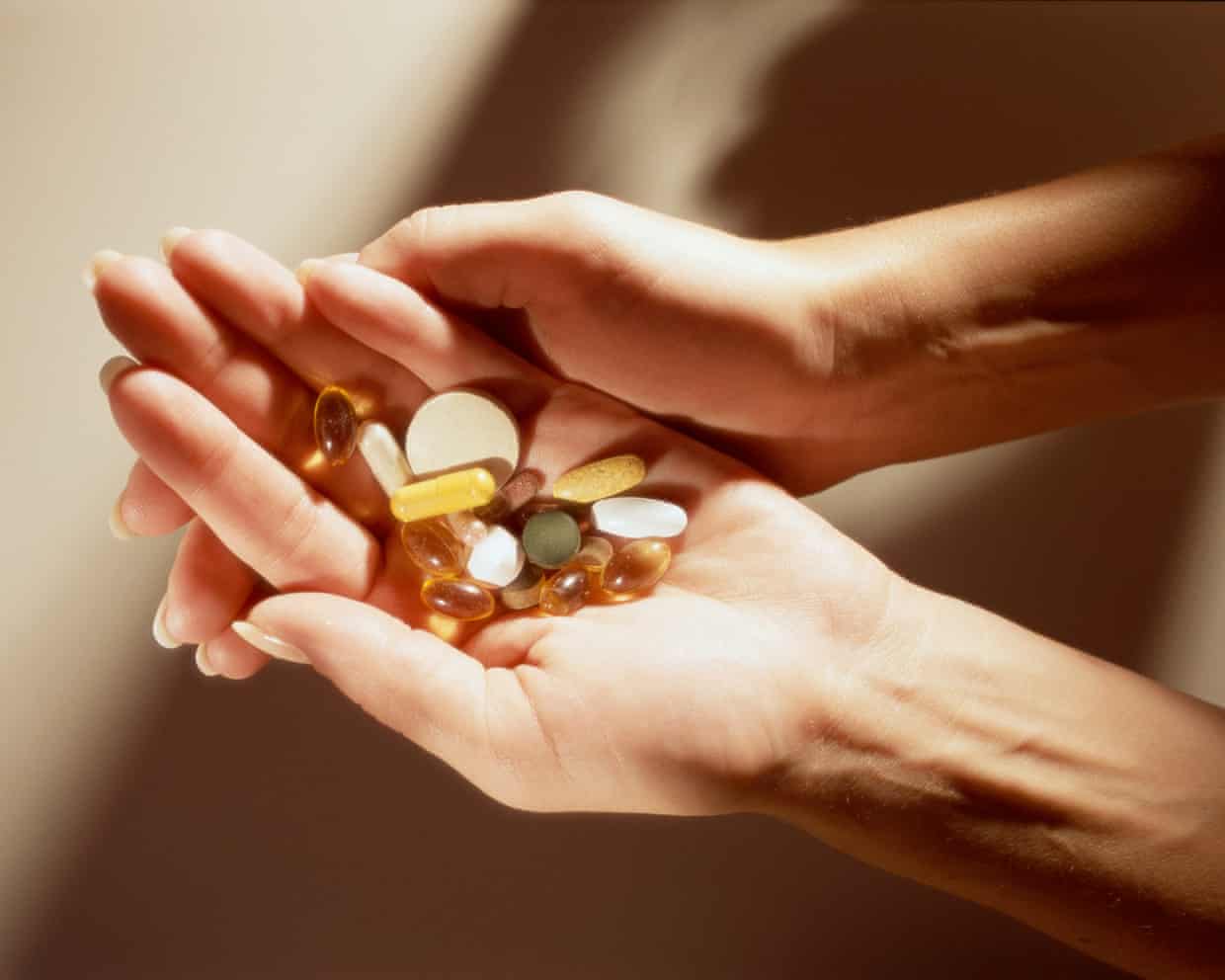
Prof Geraldine Moses, a clinical pharmacy expert, reported alarming anecdotal evidence from a nurse about patients taking “iron supplements” that offer little to no elemental iron. These products, widely available online and in retail stores, typically contain **5 mg or less** of iron per serving, yet are promoted as effective solutions for iron deficiency.
Patients suffering from kidney ailments often face iron deficiency anemia, a condition exacerbated by the demands of dialysis treatment. Moses emphasized that many of these low-dose supplements falsely claim to be effective, stating, “You see powders, liquids, tablets and even expensive sachets of so-called iron-infused water that have little more iron than a bowl of cornflakes or a slice of bread.” She expressed particular concern for women, who may face increased iron needs due to menstruation and pregnancy.
Prof Jennifer Martin, president of the Royal Australian College of Physicians, echoed these concerns and called for more rigorous oversight from the Therapeutic Goods Administration (TGA) regarding the marketing of such supplements. “Many iron supplements are considered ‘food-supplements’ or ‘listed medications’ by the TGA,” Martin noted, highlighting that these classifications require less stringent proof of effectiveness compared to prescription medications.
Both Moses and Martin advocate for a collaborative approach where healthcare providers specify the precise iron products needed for patients and encourage open dialogue regarding any uncertainties.
According to Australian Red Cross Lifeblood, individuals suffering from iron deficiency anemia should aim for a daily intake of **100–200 mg** of elemental iron, ideally divided into multiple doses. They caution that “there are more than 100 iron-containing preparations available over the counter in Australia but few contain a therapeutic dose for the treatment of iron deficiency anemia.”
Moses pointed out that several ineffective products are already classified as medicines by the TGA, raising questions about their marketing claims. She stated, “It does not make sense for the TGA to permit these products to make claims that they prevent iron deficiency or call themselves iron supplements.”
Despite these concerns, a spokesperson for the TGA did not provide specific answers regarding regulatory actions or minimum therapeutic dose requirements for low-dose iron supplements. Instead, they stated that they were “not planning such activity at this time.”
In light of these issues, Martin calls for increased regulation of pharmacies and greater transparency concerning the sponsorship of products that gain TGA registration. “We need better ways to ensure people know the differences between treatments backed by evidence and those that aren’t,” she asserted.
For individuals concerned about their iron intake, it is crucial to consult with a general practitioner (GP) for proper testing and advice. Iron requirements can vary based on various factors, including other medications, absorption issues, and underlying health conditions.
When choosing iron supplements, patients should look for products that clearly indicate the amount of “elemental iron” per dose. Those diagnosed with iron deficiency or anemia are advised to seek products with an AUST R number, as these have undergone comprehensive evaluation by the TGA for safety, quality, and efficacy.
In conclusion, as the prevalence of ineffective iron supplements continues to pose a challenge in Australia, both healthcare professionals and consumers must remain vigilant in ensuring that iron supplementation is both safe and effective.