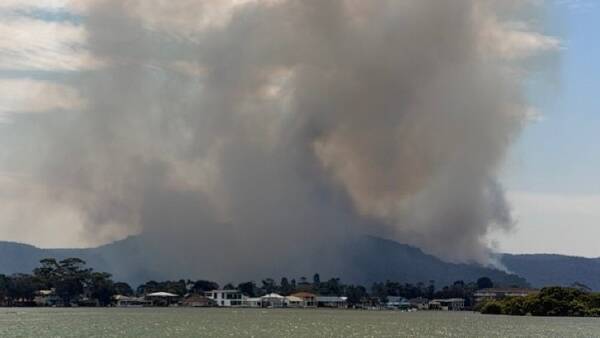




































Dozens of bushfires erupted over the weekend, affecting regions from the mid-north coast of New South Wales (NSW) to the east coast of Tasmania. Tragically, a firefighter lost his life, while significant property damage occurred, including the destruction of 16 homes in Koolewong and four in Bulahdelah, as well as 19 homes in Dolphin Sands, Tasmania. On December 6, 2023, temperatures soared to a staggering 41°C in Koolewong, with strong winds exacerbating the fires and complicating suppression efforts.
The swift escalation and intensity of these fires have raised concerns among officials and residents alike. According to Prime Minister Anthony Albanese, these conditions signal a “difficult” fire season ahead. Factors contributing to the current bushfire crisis include a combination of dried vegetation and weather conditions that have created a perfect storm for wildfires.
Understanding the Causes of the Bushfires
Since the catastrophic megafires of the 2019-20 summer, Australia has experienced several years of wet weather, allowing vegetation to regrow robustly. However, recent months have seen below-average rainfall, resulting in landscapes that are primed to ignite. The moisture content of dead fuels, such as fallen leaves and twigs, fell critically low, dropping below 7% in both Koolewong and Bulahdelah, according to recent calculations made on December 6.
Research indicates that when moisture levels dip below 10%, fire spread becomes significantly easier. The combination of low fuel moisture and strong winds increases the risk of rapid fire escalation. The majority of properties lost in NSW were situated in Koolewong, an area characterized by steep terrain and challenging access, which likely contributed to the high number of losses.
Many homes in the affected regions are located near eucalypt forests. Studies show that houses situated in areas where forests comprise more than 60% of the surrounding landscape face a higher likelihood of destruction during fire events. Additionally, many of these homes were built prior to the implementation of stricter building codes that mandate bushfire-resistant construction.
The Aftermath and Future Risks
The recent fires at Koolewong and Bulahdelah occurred in forests that narrowly escaped the 2019-20 Black Summer fires, which devastated over 7.2 million hectares across southern Australia. In the aftermath of those fires, NSW experienced wetter-than-average conditions, which helped mitigate fire risks for several years. However, the current summer marks six years since the Black Summer, and fuel loads have rapidly recovered due to the wet conditions that followed.
Recent research highlights that there are now significantly high levels of midstorey fuels—flammable shrubs and regenerating eucalypts—in many areas. These elevated fuels can intensify fires by enabling flames to leap from the forest floor into the tree canopy, potentially igniting more extensive wildfires.
Currently, drought conditions have eased for much of southern Australia, although eastern NSW remains affected. The Bureau of Meteorology has reported a weak La Niña event is underway, typically associated with wetter, cooler conditions. Nevertheless, this particular event is proving difficult to predict, with long-range forecasts suggesting that rainfall could be lower than average throughout December.
As this fire season unfolds, caution is paramount, particularly in drought-impacted eastern NSW. The devastating consequences of the recent bushfires serve as a stark reminder of the ongoing challenges posed by climate change and the need for preparedness among communities at risk.
Experts like Rachael Helene Nolan and Rachael Gallagher, both affiliated with the NSW Bushfire and Natural Hazards Research Centre, emphasize the importance of understanding the interplay between vegetation, weather, and fire risks as Australia braces for what may be a challenging fire season ahead.