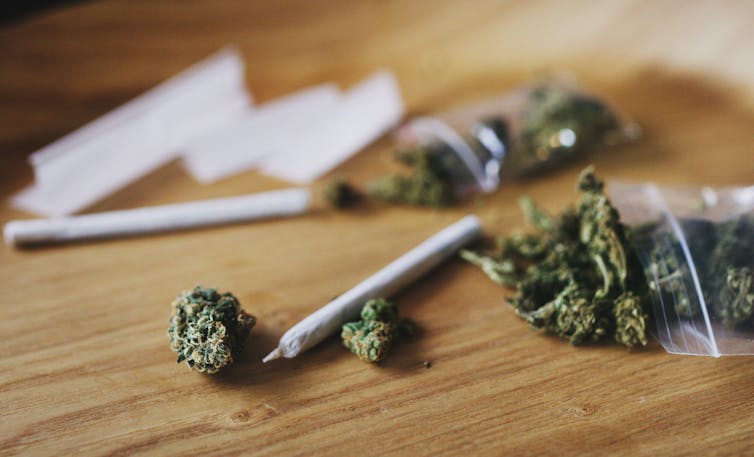
A significant number of Australians, approximately 41%, report having used cannabis at some point in their lives. Research indicates that around 22% of recreational cannabis users meet the criteria for a condition known as cannabis use disorder. This disorder can impede an individual’s ability to control the frequency and quantity of their cannabis consumption.
The prevalence of this condition is not limited to recreational users; studies show that about 25% of medicinal cannabis users also exhibit signs of cannabis use disorder. Such figures may challenge the common perception that the risks associated with cannabis are diminishing as its acceptance grows in various countries.
Identifying Cannabis Use Disorder
Cannabis use disorder can manifest in several ways. Initially, individuals may use cannabis casually, perhaps as a way to unwind after a stressful day or to assist with sleep. Over time, however, reliance on cannabis may develop. Many individuals may find themselves using it daily to achieve a sense of normalcy.
As usage continues, tolerance builds, requiring more cannabis to achieve the same effects. Some users may consume more than they intended, impacting their job performance or leading to neglect of important responsibilities, such as paying bills. Despite recognizing adverse effects—such as impaired memory, anxiety, or lack of focus—many continue their usage.
Family and friends often notice changes in behavior and may suggest reducing use. Yet, individuals with cannabis use disorder may experience withdrawal symptoms like anxiety and irritability when they attempt to stop. These symptoms can create a cycle of dependency, making it challenging to quit.
Diagnostic Criteria and Risk Factors
Health professionals utilize specific criteria from the Diagnostic and Statistical Manual of Mental Disorders (DSM) to diagnose cannabis use disorder. A diagnosis is typically made when individuals exhibit at least two of the following symptoms within a year:
– Using larger amounts over extended periods than intended
– Strong cravings for cannabis
– Inability to reduce usage
– Continued use despite worsening physical or psychological issues
– Neglecting significant obligations at work, school, or home
– Increased consumption to achieve the same effects
– Experiencing withdrawal symptoms
According to the DSM, two to three symptoms indicate a mild disorder, while four to five suggest a moderate disorder. Six or more symptoms indicate a severe disorder.
Certain groups are at heightened risk for developing cannabis use disorder. Frequent users, particularly those consuming cannabis daily, are more vulnerable. Additionally, individuals who start using cannabis at a younger age or use it to alleviate symptoms of anxiety, depression, or chronic pain face increased risks.
Research indicates that individuals managing chronic pain may turn to cannabis for relief. However, recent studies question the efficacy of cannabis in treating pain, leading many to increase their usage or seek more potent products. This pattern can result in a cannabis use disorder, complicating their ability to manage pain effectively.
Reducing Risks and Seeking Help
Legal reforms in various nations, including Australia, have expanded access to cannabis for medical purposes. Consequently, many individuals now use cannabis for both medicinal and recreational reasons, known as dual-use. To mitigate the risk of developing cannabis use disorder, individuals are advised to avoid daily usage and high-THC products.
If there are concerns regarding cannabis use, it is essential to consult a medical professional. For immediate support, individuals can contact the National Alcohol and Other Drug Hotline at 1800 250 015 for confidential advice.
Wayne Hall, an advisor to the WHO on the health effects of cannabis, emphasizes the importance of understanding the potential risks associated with cannabis use. It is crucial to remain informed and proactive in addressing any issues related to cannabis consumption.