

































A significant rise in dementia cases is projected for the Hunter region, with estimates indicating an increase of more than 70 percent by 2054. Currently, approximately 13,000 people in the area live with dementia, a number expected to exceed 22,500 within the next three decades. In response to these alarming statistics, researchers are urging for greater investment in dementia research and care.
Frances Kay, Chief Executive Officer of the Hunter Medical Research Institute (HMRI), emphasized that the Hunter faces a more severe dementia crisis than other parts of New South Wales. “We are about the second in the state for rates of dementia, and that’s quite frightening,” she stated. Kay attributed this rise in prevalence partly to the region’s significant population of individuals aged 65 years and older.
Data from Dementia Australia reveals that Lake Macquarie ranks as the fourth-highest local government area in the state for dementia cases, currently reporting 4,755 cases. Meanwhile, Newcastle has documented 3,004 cases. Notably, dementia has become the leading cause of death for Australians, according to the Australian Institute for Health and Welfare.
To address the growing crisis, HMRI is advocating for improved access to early detection methods and clinical trials. Kay expressed a desire to implement region-wide screening to identify signs of dementia at an earlier stage. “We also want to create more pathways to care, which means unclogging some of our emergency departments, ensuring that when people need help, it is available,” she explained.
Additionally, HMRI is focused on attracting more clinical trials to the region, allowing residents to access the latest available treatments more quickly. “For us in regional areas, it would get us access to that care quicker, rather than having to wait for it all to happen in the capital city,” Kay noted.
To further support these initiatives, Kay hopes to raise funds to enable a team to travel to rural areas by bus, bringing clinical trials and treatments directly to communities. While HMRI already has a few dementia-related clinical trials underway, there is significant capacity for expansion. Kay mentioned that there are additional trials in development that are currently awaiting ethics approvals.
Dementia predominantly affects women in the Hunter New England Health District, making it the leading cause of death among this demographic. HMRI is collaborating with neuroscientists to investigate why the incidence of dementia diagnoses is higher in women than in men.
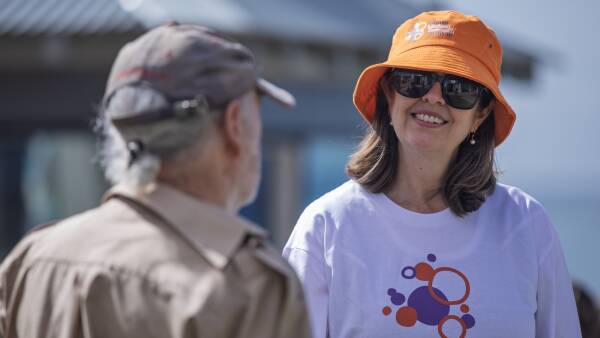
Community engagement is a vital component of this research effort. Residents will have the opportunity to learn more about ongoing dementia research at HMRI’s Sip and Science event on October 24, 2025. This outreach initiative is designed to connect scientists with the community and provide information on current clinical trials. The event will take place from 7:00 AM to 10:00 AM at the Dixon Park Surf Club.
As the Hunter region braces for a significant increase in dementia cases, the call for enhanced research funding and community awareness becomes ever more pressing. The future well-being of thousands of residents depends on immediate action and collaboration between researchers, healthcare providers, and the community.