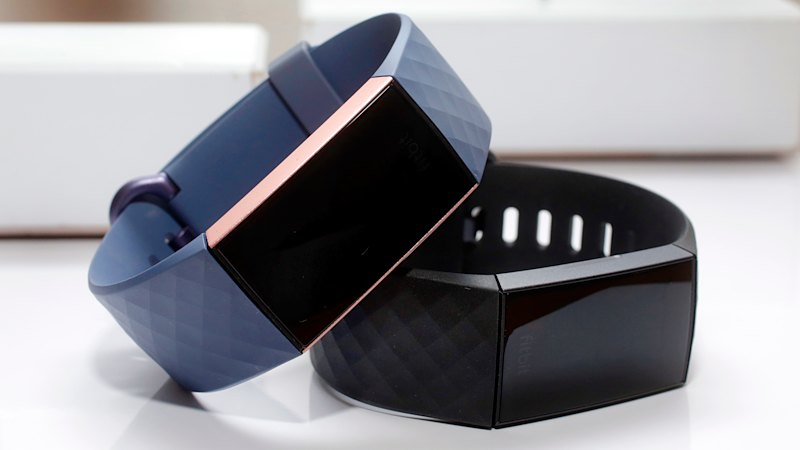
The wearable technology market is experiencing rapid growth, with its value reaching approximately $86.6 billion in 2024. Experts forecast that this figure could soar to $302.3 billion by 2034, driven by advancements in artificial intelligence that promise increasingly personalized health insights. As professionals seek to optimize their health data for performance at work and in sports, the question arises: can these devices truly provide tailored health advice?
The current landscape of consumer wearables suggests that they can offer some level of personalized and actionable health insights. Rob ter Horst, a bioinformatician based in Austria, highlights experiences with devices like Whoop and Oura, which have provided him with recommendations that he found more insightful than those from traditional doctor’s visits. Ter Horst notes that these devices can alert users to potential health influences based on their data patterns. For instance, they might inform users about the impact of late meals on sleep quality, as observed through heart rate fluctuations.
These devices can potentially incorporate more detailed personal data, such as blood test results, to enhance the AI’s ability to provide nuanced advice. However, experts like David Lipman, an Australian-trained doctor residing in the UK, caution that the journey toward highly individualized recommendations is still in its early stages. Lipman suggests that the next phase may involve grouping users into cohorts to provide more relevant guidance based on shared biomarkers.
Modern wearables have the capability to measure a variety of metrics, including stress levels, sleep quality, and cardiovascular strain. Yet, most devices primarily track movement and heart rate, with additional metrics generated through algorithms rather than direct measurements. Lipman explains that while wearables can accurately detect sleep and wake states, they often struggle to determine specific sleep stages due to the nature of their tracking methods.
A study published in October 2024 examined the accuracy of popular devices such as the Oura Ring, Fitbit Sense 2, and Apple Watch Series 8. The results indicated that while these devices accurately detected sleep states at least 95 percent of the time, they only correctly identified specific sleep stages between 50 percent and 87.8 percent of the time when compared to the gold-standard polysomnography method. This discrepancy underscores the limitations of wearables in providing precise sleep data.
Despite these challenges, research supports the notion that tracking health metrics can lead to improved outcomes. Simone Verswijveren, a postdoctoral research fellow at Deakin University, emphasizes that monitoring behaviors and health metrics can significantly influence positive changes. For example, a study found that consistent wearers of tracking devices reported sleeping an average of 20 minutes more per night compared to those who wore them less frequently.
While wearables can motivate healthier behaviors, they also carry potential drawbacks. A 2017 study published in the Journal of Clinical Sleep Medicine suggested that sleep trackers might contribute to anxiety and perfectionism regarding sleep quality. Participants who received negative feedback about their sleep reported worse daytime functioning, highlighting the psychological impact of wearable technology.
Experts advise caution when interpreting data from these devices. Ter Horst warns users to view wearable data as a guide rather than an absolute truth. He emphasizes the importance of considering personal well-being alongside device readings, suggesting that users should be attentive to their physical sensations and adjust their activities accordingly.
Lipman echoes this sentiment, advocating for a mindful approach when selecting a wearable. He advises potential buyers to consider whether the device will help address specific health concerns rather than simply purchasing based on brand popularity.
As wearables continue to evolve, the integration of AI coaching features is becoming more common. These tools can assist users in interpreting their health data and making informed decisions. However, experts like Verswijveren stress the importance of consulting with healthcare professionals rather than solely relying on technology for health guidance.
Determining the best wearable ultimately depends on individual goals. Ter Horst, who has tested numerous devices, notes that for users focused on sleep tracking, options like Fitbit, Apple Watch, and Oura stand out. For overall health tracking and user experience, Whoop and Oura are recommended for their user-friendly data interpretations. In contrast, athletes may prefer brands like Garmin and Polar for their superior sports tracking capabilities.
As the wearable technology landscape continues to expand, it raises important questions about the balance between data-driven insights and personal intuition in managing health. The future of wearables may hold the promise of even more personalized health monitoring, but for now, users should remain informed and critical of the data at their fingertips.