































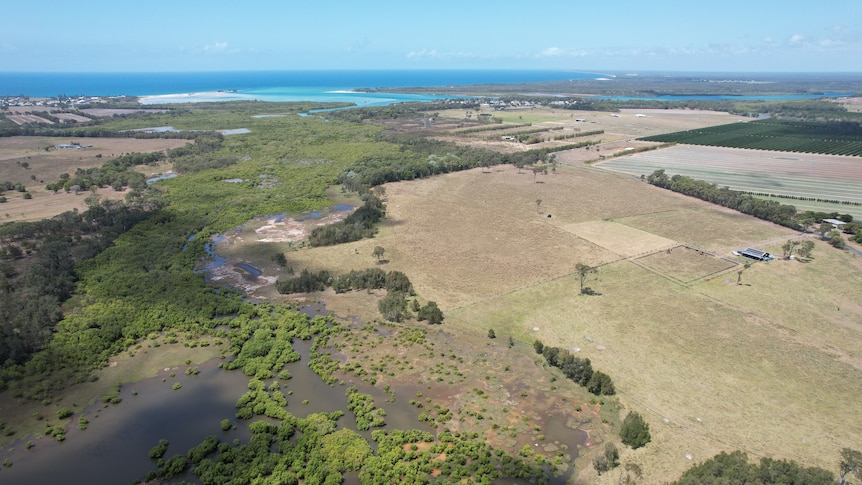
On the southern edge of the Great Barrier Reef, a unique farm is fostering an unusual yet harmonious ecosystem. A dozen bulls graze contentedly along a riverbank, coexisting with approximately 50 species of shorebirds. This intentional combination is proving to be beneficial for both the livestock and the local wildlife.
The farm, located in Queensland, Australia, has embraced an innovative approach to agriculture that promotes biodiversity. By allowing bulls to roam freely in the wetlands, the farm creates a natural habitat for shorebirds, which thrive in the environment. This coexistence not only enhances the local ecosystem but also supports the health of the farmland itself.
Local farmers have noted the advantages of this sustainable farming practice. The bulls help manage the growth of vegetation, which in turn creates open spaces for shorebirds to feed and nest. This symbiotic relationship illustrates how agriculture can harmonize with nature rather than disrupt it.
The wetlands play a crucial role in this ecosystem, acting as a vital resource for both the bulls and the shorebirds. Birds such as the black-winged stilt and the red-capped plover find food and shelter in the area, while the bulls contribute to nutrient cycling through their grazing habits. This balance not only fosters biodiversity but also improves soil health and water quality.
The farm’s innovative methods draw attention from environmentalists and agricultural experts alike. As climate change poses significant challenges to ecosystems worldwide, this model offers valuable insights into sustainable practices that can be replicated in other regions. Research indicates that integrating livestock into wetland areas can lead to enhanced resilience against environmental stressors.
Dr. Sarah Thompson, an ecologist from the University of Queensland, emphasizes the importance of such ecosystems. “These types of cooperative systems can serve as a blueprint for future agricultural practices,” she stated. “They demonstrate that farming and conservation can coexist effectively.”
Farmers in the region are increasingly recognizing the potential for integrating wildlife-friendly practices into their operations. By prioritizing ecological health, they are not only preserving their land but also contributing to the broader goals of conservation.
As the global community seeks solutions to environmental challenges, the success of this farm could influence agricultural policies and practices far beyond Australia. This model showcases the possibility of creating productive landscapes that support both economic viability and ecological integrity.
In conclusion, the southern Great Barrier Reef farm stands as a testament to the benefits of embracing a holistic approach to agriculture. By fostering a delicate ecosystem where bulls and birds thrive together, it highlights the potential for sustainable farming practices to create lasting positive impacts on the environment.