



































A coalition of activists in New South Wales (NSW) is declaring their intent to continue organizing protests despite a controversial ban imposed by authorities. This ban, which activists argue is unconstitutional, emerged in response to heightened security concerns following a terrorist attack at Bondi Beach in December 2023 that claimed the lives of 15 individuals.
The NSW Police received the authority to deny protests in key areas of Sydney for up to three months following a declared terror event. This power allows police to issue declarations every two weeks. Following the tragic incident, NSW Police Commissioner Mal Lanyon implemented an immediate ban, later extending it for an additional fortnight, citing ongoing community tensions.
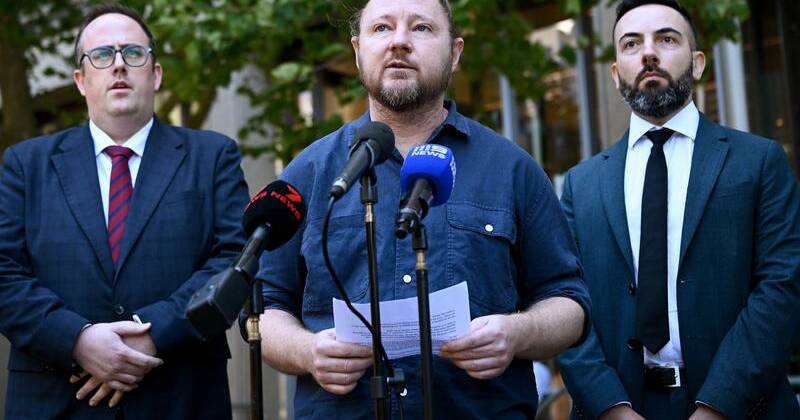
Activist groups, including the Blak Caucus, Palestine Action Group, and Jews Against the Occupation ’48, have filed a legal challenge with the NSW Supreme Court. They argue that the legislation underpinning the ban infringes on the implied freedom of speech guaranteed by the Australian Constitution. According to Josh Lees, a spokesman for the Palestine Action Group, there is no evidence to support the notion that a blanket ban on protests enhances public safety.
“We will not stand for this. We will fight this in the courts … and we will continue to fight it on the streets,” Lees declared outside the law building. He emphasized the importance of public participation, urging supporters to join upcoming protests, including a rally marking the tenth anniversary of the death of David Dungay Jr. on January 10, 2024, and the annual Invasion Day march on January 26, 2024. Additionally, a large protest is being organized to coincide with the visit of Israeli President Isaac Herzog.
Legal Challenges and Court Proceedings
The urgency of the activists’ case was underscored during a recent court session where their barrister, Hilbert Chiu SC, highlighted the pressing need for a resolution before the planned protests. Justice Julia Lonergan acknowledged the importance of the upcoming dates but remarked that it would be speculative to consider matters beyond the current ban’s expiration on January 20, 2024. She expressed concerns regarding the proposed timetable, indicating that it did not allow sufficient time for other Australian states and territories to respond to the constitutional matter.
Justice Lonergan also noted the potential for interested parties to intervene in the case, given its significant implications. The court’s deliberations will continue with a hearing scheduled for January 29, 2024, just days after the current ban lapses.
In response to the legal challenge, NSW Premier Chris Minns expressed confidence in the legality of the laws, stating he is “alive to the threat” posed by potential protests.
Impact on Public Demonstrations
Despite the restrictions, some unauthorized demonstrations have occurred, including a march against US military actions in Venezuela. Participants of such protests face the risk of arrest for obstructing traffic or pedestrians. Critics argue that the ban creates a chilling effect on public assembly, as police can issue move-on directions even at static gatherings.
In announcing the extension of the protest ban, Commissioner Lanyon stressed that the measures are not intended to suppress free speech but to maintain public safety during a period marked by anxiety. “This is not about stopping free speech,” he asserted. “It’s about saying: this is not a time for protest, this is not about time for taking action, it’s about the community seeking peace.”
As the situation evolves, the coalition of activists remains determined to challenge the restrictions, asserting their commitment to exercising their democratic rights through public demonstrations.
