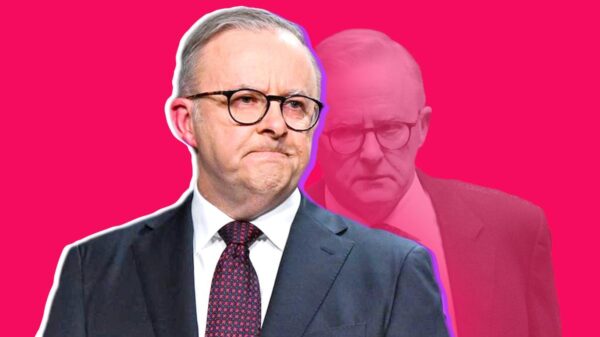



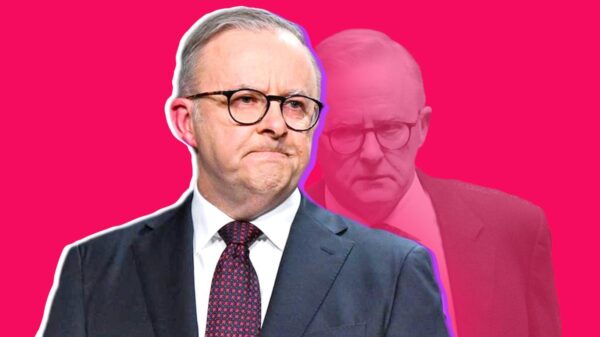




















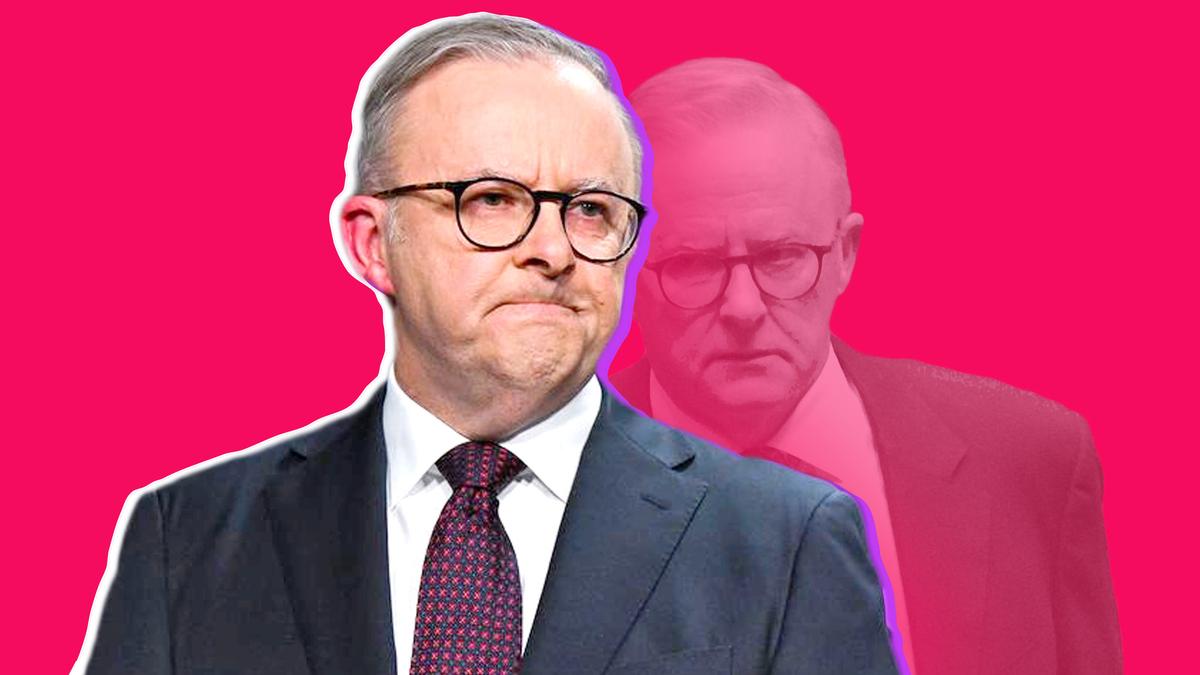
Following a week of significant public discontent regarding the extravagant spending of politicians, Australian Prime Minister Anthony Albanese has acknowledged that the current rules governing MP expenses are out of touch with community expectations. This concession comes after revelations of extensive expenditures, including $1,000 for a dinner in Paris by Communications Minister Anika Wells and $123,386 spent by Queensland National Andrew Willcox on flights for his wife since 2022.
In a recent statement, Albanese indicated he has sought advice from the Independent Parliamentary Expenses Authority (IPEA) on potential reforms to the existing system. This response reflects growing frustration among the electorate regarding what many view as a culture of entitlement within political circles. The Prime Minister’s remarks suggest an awareness that these spending habits do not align with the values of ordinary Australians.
Public sentiment is increasingly critical of the lavish use of taxpayer funds. While many Australians support the recent social media ban for under-16s, they also express strong disapproval of government officials utilizing public money for personal luxuries, such as high-end dining and travel. The contrasting priorities raise questions about the accountability of elected representatives.
Albanese’s handling of this issue has prompted scrutiny, particularly as it diverts attention from what he believes will be a significant achievement of his leadership: the social media ban. Critics argue that the Prime Minister’s irritation over the scandal detracts from the broader implications of financial mismanagement in government.
Albanese is not alone in facing this dilemma; the issue of political spending transcends party lines. A culture of silence among political parties has historically shielded members from accountability. This mutual understanding has allowed for continued excess, as parties resist publicly condemning one another to avoid scrutiny of their own practices.
As the IPEA reviews the current rules, it is widely expected that changes will be proposed. Yet, skepticism remains about the effectiveness of any reforms. Past assurances from political leaders have often resulted in minimal change, leading to a cycle of disappointment among constituents.
In light of these developments, the Australian public is urged to remain vigilant. The expectation is clear: politicians must be held accountable for their spending choices. The time for action is now, as the community calls on its leaders to demonstrate fiscal responsibility and integrity.
This editorial commentary reflects the views of WAN Editor-in-Chief Christopher Dore, emphasizing the need for meaningful change in how taxpayer money is spent by elected officials. The ongoing dialogue surrounding these issues highlights the importance of transparency and accountability in governance, ensuring that leaders prioritize the interests of their constituents over personal gain.