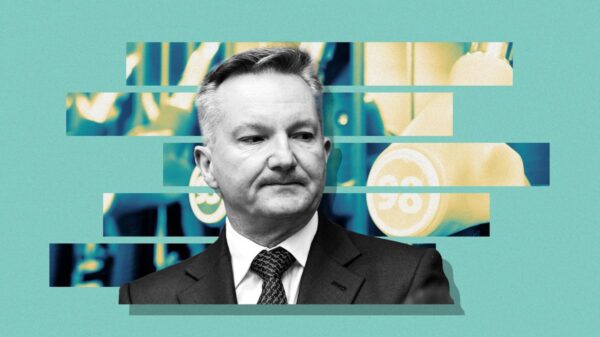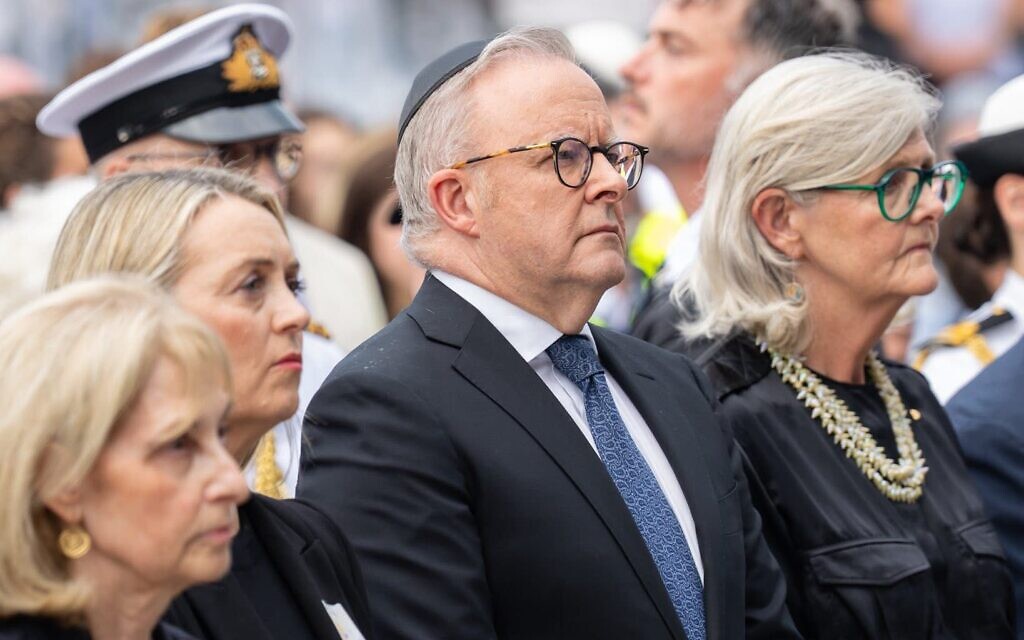
Prime Minister Anthony Albanese has declined to initiate a federal royal commission into the Bondi Beach terror attack, despite calls from victims’ families and community leaders. Albanese asserted that the decision was made “in the national interest,” emphasizing an alternative approach to reviewing the incident.
On March 4, 2024, Albanese announced the establishment of the Richardson Review, which will be led by former ASIO chief Dennis Richardson. This review, conducted by the Department of Prime Minister and Cabinet, aims to evaluate law enforcement’s response to the attack and will deliver its findings by April 2024. The review will focus on assessing information sharing between federal and state agencies, existing legal frameworks, and exploring potential preventive measures against future attacks.
When questioned about an open letter from families of the 11 victims—who have criticized the federal response as inadequate—Albanese maintained that a royal commission was not suitable for this situation. He stated, “Royal commissions can be good at deciding facts… Where royal commissions are not as good is to consider things that are not agreed, where people have differences of views.” Albanese argued that the Richardson Review would more effectively address these issues.
In a poignant display of remembrance, a chanukiah was lit at the memorial site for the victims on the same night as the announcement.
Opposition Leader Sussan Ley condemned Albanese’s decision, asserting that it undermined the experiences of those affected. She noted that the families of victims, along with various community leaders and legal experts, had expressed overwhelming support for a royal commission. Ley stated, “Today, the Prime Minister thumbed his nose at these families and told them, in effect, that he knows better.”
Ley’s comments reflect widespread sentiment, with many within the Jewish community and legal circles echoing the demand for a royal commission. Alex Ryvchin, co-CEO of the Executive Council of Australian Jewry, described a royal commission as “the least that can be done to bring some semblance of justice.” He criticized the government for its perceived inaction over the past two years and asserted that only a royal commission has the authority to uncover the truth behind the attack and necessary changes to prevent similar incidents.
Albanese expressed sympathy for the victims’ families, stating, “My heart breaks for the families of the victims of the Bondi terrorist atrocity.” He emphasized that his role as Prime Minister is to act in the national interest, which includes conducting the Richardson Review to identify any gaps in the functioning of agencies such as the Australian Federal Police (AFP) and ASIO.
Furthermore, Albanese highlighted the complexity of the situation, referring to the opposition’s proposal that includes 73 different sub-items for consideration. He reiterated that while royal commissions excel in establishing facts, they might not effectively address disagreements or diverse perspectives, which could lead to further complications.
As the community seeks justice and answers, the Richardson Review’s findings will be closely monitored. The Prime Minister’s approach has sparked significant debate about the best path forward for addressing the tragedy and ensuring the safety of the Australian public in the future.