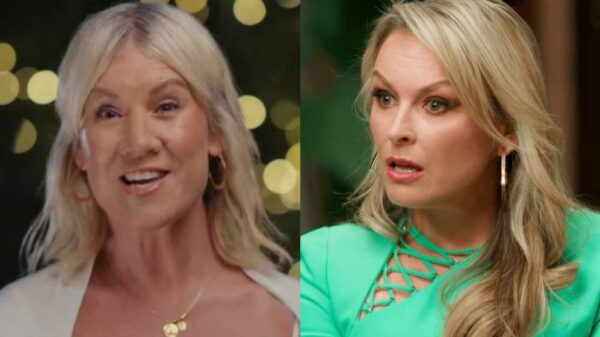
A recent wave of red-carpet appearances by stars from the *Wicked* movies, including Ariana Grande, Cynthia Erivo, and Michelle Yeoh, has ignited discussions about the alarming trend of extreme weight loss among celebrities. These women, once celebrated for their diverse body shapes, now showcase a strikingly thin appearance, which has drawn both admiration and concern from fans and commentators alike.
Images of noticeably slender stars are increasingly common, with public figures like Kelly Osbourne, Meghan Trainor, Amy Schumer, and Adele also being subjects of scrutiny. The proliferation of weight-loss drugs, particularly Ozempic, has contributed to this phenomenon, though the underlying motivations for such drastic changes remain ambiguous. Critics argue that the current aesthetic trend leans towards an unhealthy ideal, as exemplified by the New York Post‘s label of “Hollywood’s Ultra Thin Trend” and The Guardian‘s commentary on “shrinking girl summer.”
The rise of social media platforms has further exacerbated these concerns. The hashtag “Skinnytok” on TikTok, despite being moderated by the platform, continues to circulate content that promotes an unhealthy fixation on thinness. Posts that encourage restrictive eating habits echo the problematic messages of the past, reminiscent of pro-anorexia websites from earlier decades. One such post states, “If your stomach is growling, pretend it’s applauding you,” reflecting a troubling mindset that prioritizes thinness over health.
An unsettling narrative has emerged, where the success of women in various fields corresponds with an increasing pressure to conform to an unrealistic body image. The historical patterns highlighted by authors such as Naomi Wolf suggest that as women gain power, societal expectations regarding body image can become more stringent. This cycle of pressure is evident today, as many public figures feel compelled to maintain a specific appearance, often resorting to extreme measures.
In discussions surrounding the use of Ozempic, it is vital to clarify that while the medication can offer significant health benefits for those who genuinely need it, its misuse among individuals already at a healthy weight raises ethical concerns. Reports indicate that some women are using the drug to achieve even lower body weights, a trend observed in various social settings. This has led to uncomfortable dining experiences where food is scarce, and conversations revolve around weight loss rather than enjoyment.
Critics like musician Teniola Keck emphasize the importance of addressing the rise in eating disorders and the culture of restrictive eating that accompanies the glorification of thinness. Keck articulates that ignoring the issue does not eliminate its impact; instead, it contributes to a culture that promotes harmful behaviors among impressionable audiences. The sentiment resonates with many, including writer Rose Stokes, who reflects on the rapid decline of body positivity and the resurgence of a “skinny worship” culture that undermines the progress made in recent years.
The juxtaposition of empowerment and disempowerment in the context of body image raises essential questions about societal values. The overwhelming messaging that equates weight loss with self-worth risks creating a generation that prioritizes appearance over health. While it is imperative to encourage individuals to take charge of their well-being, it is equally crucial to challenge the narrative that equates thinness with success.
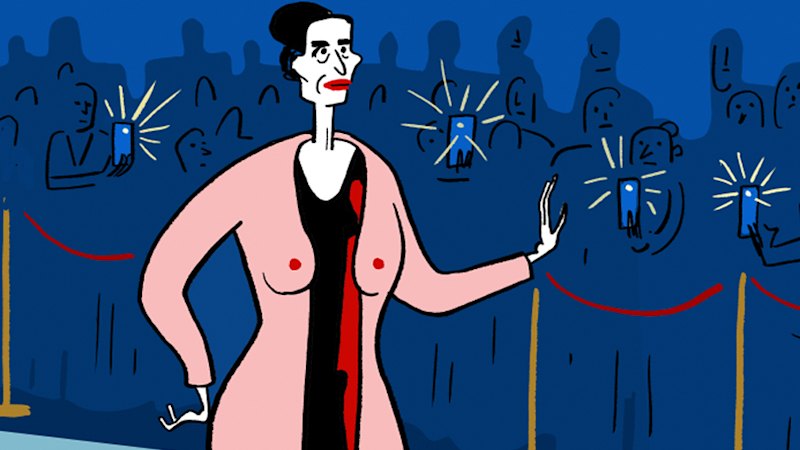
The relationship between body image and societal expectations is complex and multifaceted. As discussions continue about the portrayal of women in media and the associated pressures they face, it is essential to cultivate a culture that values health over appearance. As Julia Baird points out, the notion of glamour associated with undernourishment should not be accepted. Instead, a collective effort is needed to redefine beauty standards that celebrate diversity and promote healthy living.
This ongoing dialogue is not just about celebrities; it is about the broader implications for society. As the conversation evolves, it remains critical to advocate for a shift towards a healthier, more inclusive representation of women in the public eye.