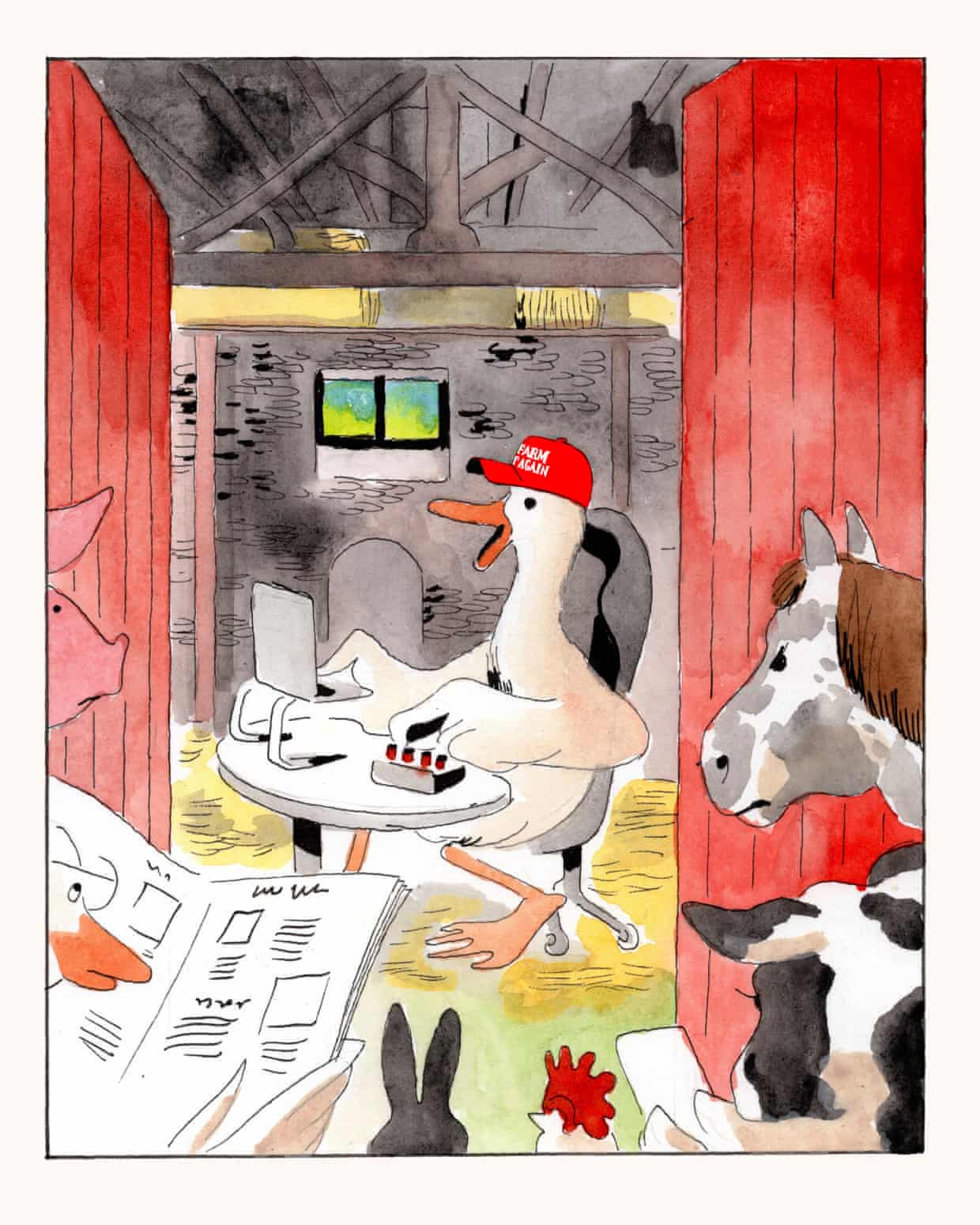
The landscape of political engagement has drastically shifted, largely due to the influence of social media. As of 2024, the number of global social media users has surpassed 5 billion, reflecting a significant change in how people interact and share information. This transformation has not only impacted individual communication but also how political discourse is shaped and disseminated.
From Traditional Media to Social Platforms
The rise of digital platforms has effectively dismantled traditional media hierarchies. Initially, online content began to challenge print subscriptions, leading publishers to rely on platforms like Facebook for audience engagement. However, the subsequent decline in referral traffic from Facebook has left many outlets struggling to adapt. In contrast, platforms such as Spotify and YouTube have seen explosive growth. For instance, Joe Rogan, with over 14 million followers on Spotify alone and another 20 million on YouTube, exemplifies this shift, outpacing even major broadcast news programs.
This evolving digital landscape has altered not just where information is consumed but how political communities are formed. Decisions are increasingly influenced by social media interactions, where even mundane topics can generate significant political discourse.
The Dynamics of Political Communication
The online environment has redefined how political messages are conveyed. Traditional methods, which relied heavily on carefully crafted messaging, have struggled to maintain relevance in an age where authenticity and engagement take precedence. Politicians now face the challenge of competing for attention in a crowded digital space where sensational content often overshadows substantive discussion.
On platforms like X (formerly Twitter), controversial figures such as Elon Musk have reshaped the discourse by reintroducing previously banned personalities like Andrew Tate, who commands a follower count exceeding that of the UK Prime Minister by 9 million. Meanwhile, politicians like Nigel Farage of Reform UK leverage social media to engage younger audiences, amassing followers that outnumber all other Members of Parliament combined.
The current climate highlights a striking contrast: while mainstream political parties focus on policy, they often find themselves ensnared in conspiracy theories and online backlash.
In this new battleground, emotions and engagement govern the effectiveness of political messaging. The overwhelming focus on misinformation among liberal factions misses a critical point: the real competition is for the hearts and minds of an increasingly online electorate. This shift has led to a rise in propagandistic content that prioritizes emotional resonance over factual accuracy, complicating the political landscape for traditional centrist parties.
As digital platforms continue to evolve, the implications for political communication are profound. Politicians must adapt to this changing environment or risk becoming irrelevant. The ability to connect with voters through engaging, authentic content is now more crucial than ever.
In summary, the way politics is conducted has changed fundamentally, urging political figures to recognize and adapt to the evolving dynamics of social media engagement.