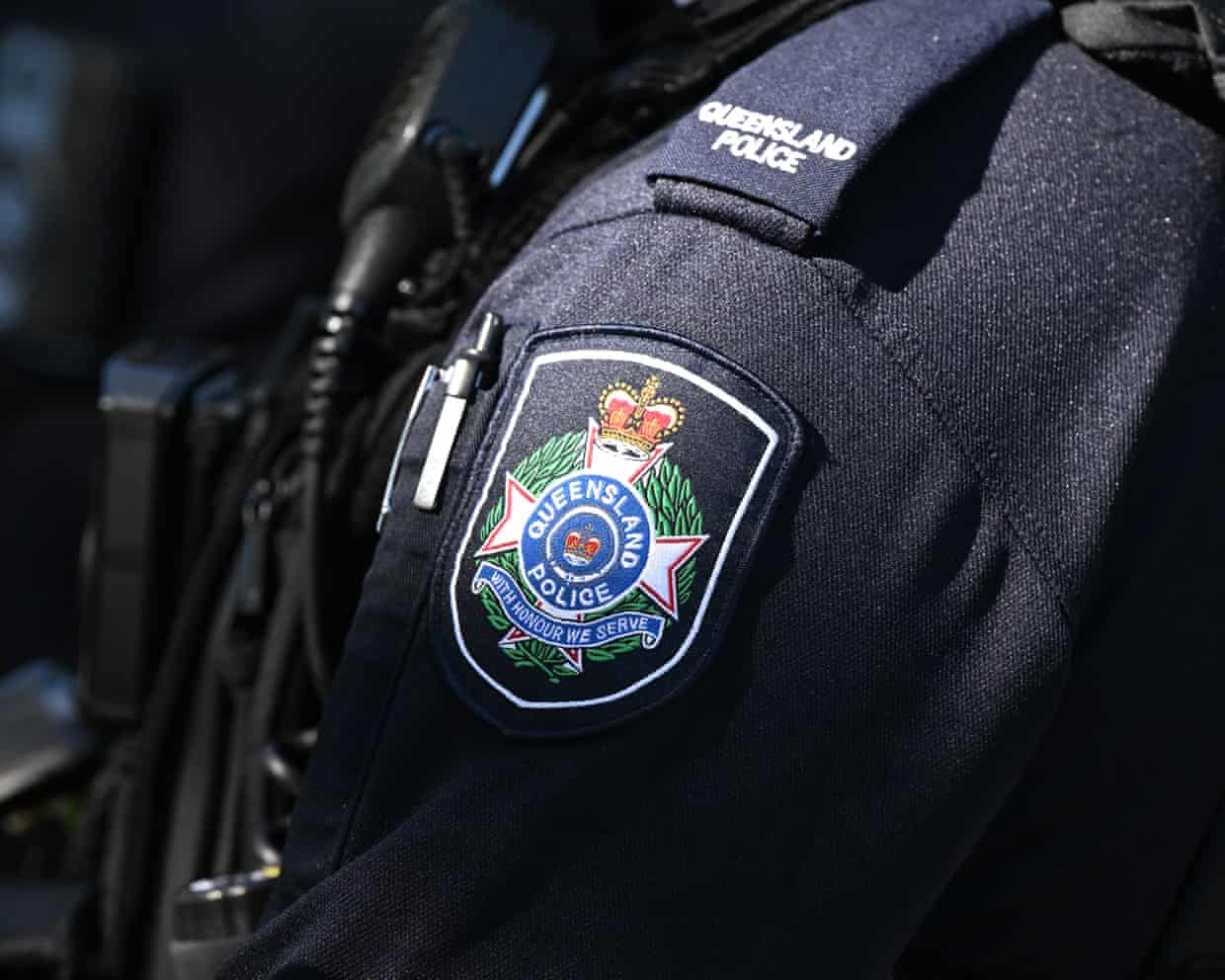
The Queensland Police Service (QPS) has announced plans to disband its specialist unit that provided vital support for domestic and family violence (DFV) cases across the state. This decision, confirmed to Guardian Australia, has raised alarm among frontline workers who argue that the elimination of this unit will jeopardize the safety of victims, particularly women in regional and remote areas.
The QPS stated that the closure of the DFV and vulnerable persons command “operational support unit” is part of a broader organizational change following a 100-day review. This review revealed that many officials believe that managing domestic violence cases is not a “core” responsibility of the police. As a result, officers from the unit will be redeployed to local districts.
Frontline workers expressed their dismay at the recent decision, highlighting that the operational support unit was essential for effective information sharing among agencies and ensuring timely responses to DFV-related incidents. One worker questioned, “Why would QPS reduce such an important DFV resource, in the current climate of community anger at escalating rates of DFV and resulting community harm?”
The decision comes in the wake of last year’s Broken Trust series, published by Guardian Australia, which emphasized issues within QPS regarding its handling of domestic violence cases. The 2022 inquiry into cultural problems within the police service indicated that misogynistic and sexist attitudes were prevalent and often influenced how officers interacted with victims.
The QPS maintains that the restructuring is intended to enhance the strategic and operational response to domestic violence. A spokesperson for the service noted that this reallocation aims to ensure that resources and expertise are positioned for maximum impact. However, some initiatives from the inquiry, including the establishment of a civilian-led police integrity unit, remain unimplemented and overdue.
Despite claims of improved processes since the inquiry, frontline workers contend that the removal of the operational support unit will undermine the safety of those affected by domestic violence. They argue that the operational support unit was critical in aligning responses across various agencies and facilitating better outcomes for victims.
The QPS has characterized the 100-day review as an “evidence-based roadmap” aimed at strengthening frontline sections of the service. It insists that the move reflects a commitment to creating a more responsive policing organization. Yet, many in the community remain skeptical about the implications of losing such an essential resource.
In light of these developments, individuals in Australia facing domestic violence can seek assistance through Lifeline at 13 11 14 or the national family violence counselling service at 1800 737 732. For support in other countries, resources can be accessed at www.befrienders.org.