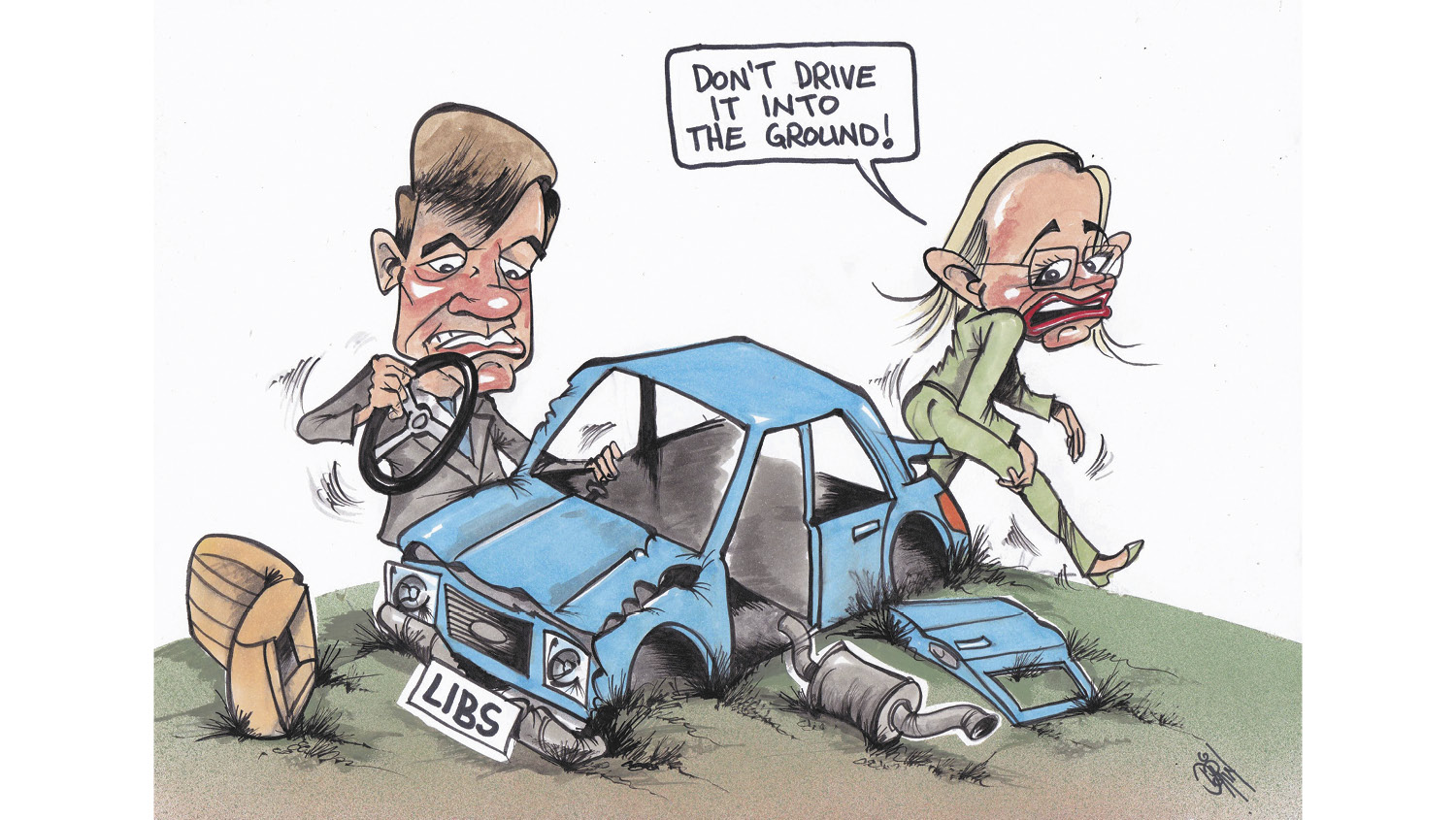
The political landscape in Farrer is shifting as Sussan Ley steps down from her position as opposition leader, leading to an intense battle for the seat. Ley’s leadership faced significant challenges, particularly due to the impact of the Murray-Darling Basin Plan, which has drawn criticism for undermining local communities and food security. As potential candidates prepare for the upcoming by-election, discussions around water management and community support have taken center stage.
At a candidate meeting on February 19, 2026, in Gerogery, near Albury, about 200 attendees gathered to discuss the political climate. The event highlighted the growing momentum for One Nation, which has received approximately 75 nominations for prospective candidates. This surge reflects broader trends in national polling and indicates a significant shift in voter sentiment.
Independent candidate Michelle Milthorpe, who posed a formidable challenge to Ley during the last election, is signaling her return to the campaign trail. Milthorpe’s previous campaign received substantial financial backing, including $178,000 from Climate 200 and $30,000 from the Regional Voices Fund. Recently, the Regional Voices Fund announced an additional $60,000 to support her bid in the by-election.
In an interview with The Koondrook and Barham Bridge Newspaper, Milthorpe expressed gratitude for the support, emphasizing the importance of community-funded initiatives. She stated, “These crowdfunded organizations allow many people to contribute small amounts for a big impact, which is particularly important when people are doing it tough.”
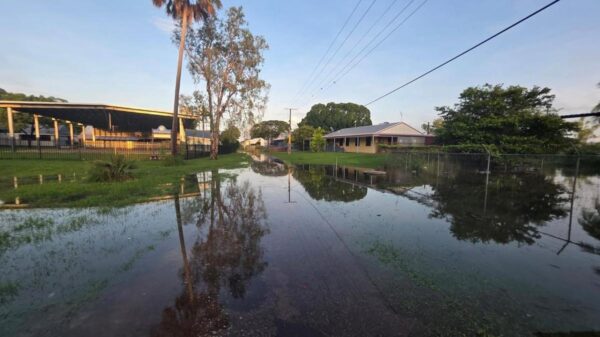
Milthorpe identified three critical issues for her campaign: water management, healthcare access, and childcare. She highlighted water as the primary concern, stating, “As we head into a dry winter, the mismanagement of water and failures already identified in the Murray-Darling Basin Plan review continue to have real economic and social consequences for communities across Farrer.”
Healthcare also remains a pressing issue, with Milthorpe noting inequities in access to general practitioners, aged care, and mental health services. She stressed the ongoing challenge of attracting and retaining qualified staff, which places additional strain on families and local communities. Furthermore, childcare accessibility has become increasingly problematic for many families, impacting employment opportunities and early childhood intervention.
In addition to Milthorpe, David Landini of the Riverina State Party has been actively working to register his party with the Australian Electoral Commission (AEC). He announced that membership testing has been successfully completed, though the timeline for finalizing the application means the party will not participate in the Farrer by-election. Landini remarked, “I think there is no benefit for State formation in standing candidates without being registered and having The Riverina State printed on all the voting ballots. Next time!”
As the political climate heats up, speculation continues regarding potential candidates from the Liberal and National parties, as well as the Labor Party. Water management remains a hot topic, particularly in light of recent announcements from Transgrid, which applied to pass on $1.1 billion in cost overruns from the Energy-Connect project to consumers. The VNI-West project also faces significant cost increases, with estimates rising from $3.6 billion to potentially over $7.6 billion.
These developments raise concerns about the financial burden on consumers, who are already grappling with rising power prices. Commentators urge voters to consider the long-term implications of their choices in the upcoming election, highlighting the importance of accountability and transparency in political commitments.
As Farrer prepares for the by-election, the focus remains on community needs, effective governance, and the pressing issues that impact daily lives. The outcome will likely influence not only local politics but also broader discussions surrounding environmental management and economic viability across Australia.